
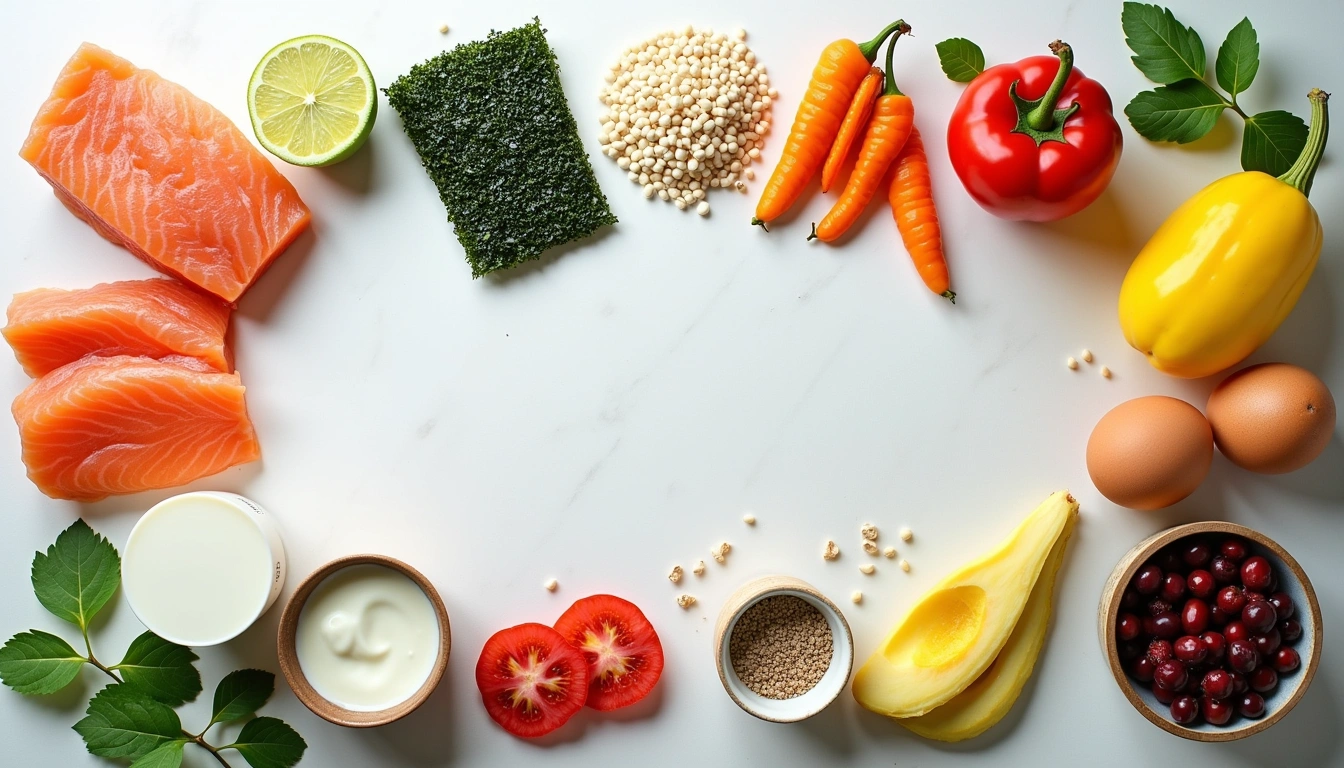
Iodine is a mineral the body needs to make thyroid hormones. Most adults need about 150 micrograms per day; needs are higher during pregnancy and breastfeeding. The amount in foods varies by species, growing conditions, processing, and preparation, so food lists should not be treated as precise dosing guides.
Both too little and too much iodine can cause problems. If you have thyroid disease, are pregnant, or take thyroid medication, ask a qualified healthcare professional before using iodine supplements or making major changes to your intake.
1. Iodized salt
Salt labelled iodized can be a useful source of iodine. Use salt in moderation, and check the label: sea salt, Himalayan salt, and other specialty salts are not necessarily iodized.
2. Fish and seafood
Fish and shellfish can provide iodine as well as protein and other nutrients. Amounts vary by species and serving size, so do not rely on a single food as a precise daily dose.
3. Milk, yogurt, and other dairy foods
Dairy products can contribute iodine, although the amount varies by product and location. Choose foods that suit your preferences and health needs.
4. Eggs
Eggs provide protein and can contribute iodine. Their iodine content varies, so include them as part of a varied diet rather than treating them as a supplement.
5. Seaweed: use caution
Seaweed iodine levels vary widely. Kelp can contain very high amounts, sometimes exceeding recommended upper limits in a small serving. Avoid using kelp tablets, powders, or large seaweed portions as a routine iodine treatment, especially if you have thyroid disease.
6. Beans, grains, fruit, and vegetables
These foods can be valuable parts of a balanced eating pattern, but many are not dependable sources of iodine. Their iodine content can vary with soil, water, and production methods. Choose them for their overall nutritional value rather than assuming they will supply a specific amount of iodine.
Do you need an iodine supplement?
Not everyone needs a supplement. Taking extra iodine does not treat every thyroid condition and may make some conditions worse. Pregnancy, breastfeeding, dietary restrictions, and medical history can affect individual needs; ask a clinician about the right approach.
When to get medical advice
Fatigue, weight changes, or feeling unusually hot or cold can have many causes and cannot diagnose iodine deficiency or thyroid disease by themselves. A healthcare professional can decide whether thyroid blood tests or other evaluation are appropriate.
For broader meal-planning ideas, see our hypothyroidism diet plan and guide to thyroid hormones.
Takeaway: Iodine is essential, but balance matters. Choose a varied diet, use iodized salt moderately if appropriate, and avoid high-dose iodine supplements unless a qualified professional specifically advises them.