
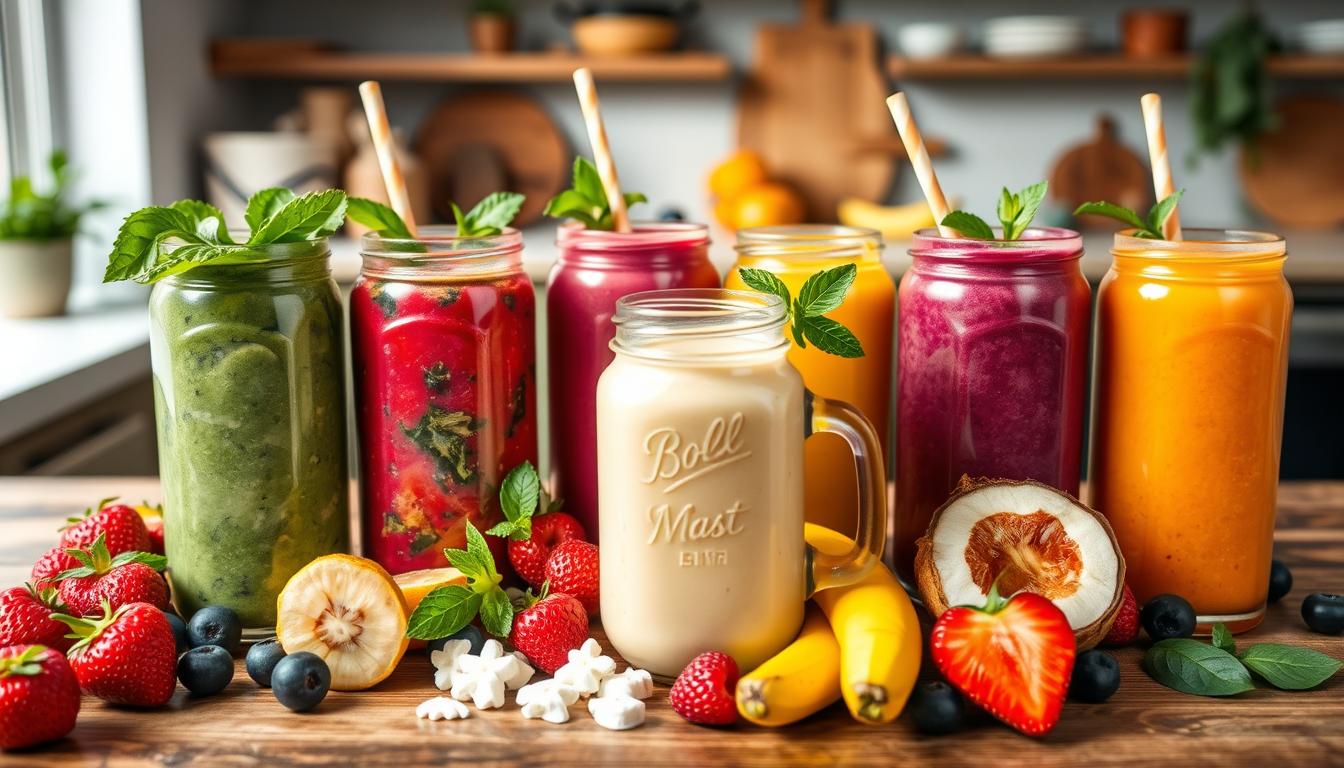
Smoothies can be a convenient way to enjoy fruit, vegetables, and other nutritious ingredients. They do not “detox” the body, flush out toxins, or automatically cause weight loss. These five recipes focus on flavor, fiber, and optional protein so you can choose a drink or snack that fits your routine.
What smoothies can—and cannot—do
Blending fruit and vegetables can make them easy to include in meals, and ingredients such as yogurt, milk, soy milk, nuts, or seeds can add protein or fat. However, smoothies can also contain a lot of energy if you use large portions, juice, sweeteners, or multiple calorie-dense additions. No smoothie has been shown to target belly fat or reliably speed up metabolism.
Your liver and kidneys handle the body’s normal waste-processing functions; a special “detox” drink is not needed. For weight management, consider your overall eating pattern, portions, movement, sleep, and health needs rather than relying on one recipe.
1. Berry and Yogurt Smoothie
Ingredients (1 serving)
- 1 cup fresh or frozen mixed berries
- ½ cup plain Greek yogurt
- ½ cup milk or unsweetened fortified soy milk
- 1 tablespoon chia seeds, optional
- Water or ice as needed
Method: Blend until smooth. Add a little water if you prefer a thinner drink. The berries provide flavor and fiber, while yogurt adds protein. This can work as a snack or part of breakfast.
2. Green Banana Smoothie
Ingredients (1 serving)
- 1 small banana
- 1 packed cup washed spinach
- ½ cup plain yogurt or silken tofu
- ½–¾ cup water or unsweetened milk alternative
- A few ice cubes, optional
Method: Blend until the spinach is fully broken down. Adjust the liquid to your preferred consistency. Spinach contributes micronutrients, and yogurt or tofu makes the smoothie more substantial. No special fat-burning effect should be expected.
3. Peanut Butter and Oat Smoothie
Ingredients (1 serving)
- ½ banana
- ¼ cup rolled oats
- 1 tablespoon peanut butter
- ¾ cup milk or unsweetened fortified soy milk
- Cinnamon to taste, optional
Method: Blend until creamy; let the oats soak in the liquid for a few minutes first if you prefer a smoother texture. Oats add fiber, while peanut butter contributes flavor and fat. This smoothie is more energy-dense than a fruit-and-water blend, so choose a portion that suits your appetite.
4. Mango and Ginger Smoothie
Ingredients (1 serving)
- ¾ cup mango chunks, fresh or frozen
- ½ cup plain yogurt or unsweetened soy yogurt
- ½ cup water or milk alternative
- A small piece of fresh ginger, optional
Method: Blend until smooth. Ginger gives the drink a warm flavor, but this recipe should not be considered an anti-inflammatory treatment, immune booster, or detox remedy.
5. Orange, Carrot, and Yogurt Smoothie
Ingredients (1 serving)
- 1 small peeled orange, seeds removed
- ½ small cooked and cooled carrot, or finely grated raw carrot
- ½ cup plain yogurt
- ¼–½ cup water, as needed
Method: Blend thoroughly. Add water gradually until the texture is right for you. Using whole fruit rather than juice keeps the fruit’s fiber in the drink.
How to build a balanced smoothie
- Use whole fruit: Fresh or frozen fruit usually adds fiber; juice can make it easier to consume a large amount of fruit quickly.
- Consider protein: Plain yogurt, milk, fortified soy milk, or silken tofu can help make a smoothie more satisfying.
- Add seeds or nut butter in measured portions: They offer useful nutrients but also add energy.
- Limit added sweeteners if you wish: Honey, dates, and syrups still contribute sugars. You can often rely on ripe fruit for sweetness.
- Keep food safety in mind: Wash produce, clean the blender, refrigerate leftovers promptly, and avoid leaving a prepared smoothie at room temperature for long periods.
A few precautions
Check ingredients for allergies and adjust recipes to your dietary needs. If you have diabetes or another condition that affects your food choices, consider the total carbohydrate and portion size and seek individualized guidance if needed. Grapefruit can interact with certain medicines; if you want to add grapefruit, ask a pharmacist whether it is suitable with your medication. Smoothies are optional and do not need to replace balanced meals.
The takeaway
These smoothies offer simple ways to combine fruit, vegetables, and optional protein. Choose recipes you enjoy, adjust portions to your needs, and remember that no smoothie detoxes the body, burns fat on its own, or guarantees weight loss.