
Having a few easy snack options ready can make everyday eating more manageable when you have insulin resistance. A balanced snack often combines protein or healthy fat with fiber from fruit, vegetables, beans, or whole grains. You do not have to snack between meals, and no specific snack can guarantee a lower blood sugar reading.
These 20 ideas use familiar U.S. grocery-store foods and include sweet, savory, portable, and make-ahead options. Choose portions that fit your hunger, preferences, and overall eating pattern.
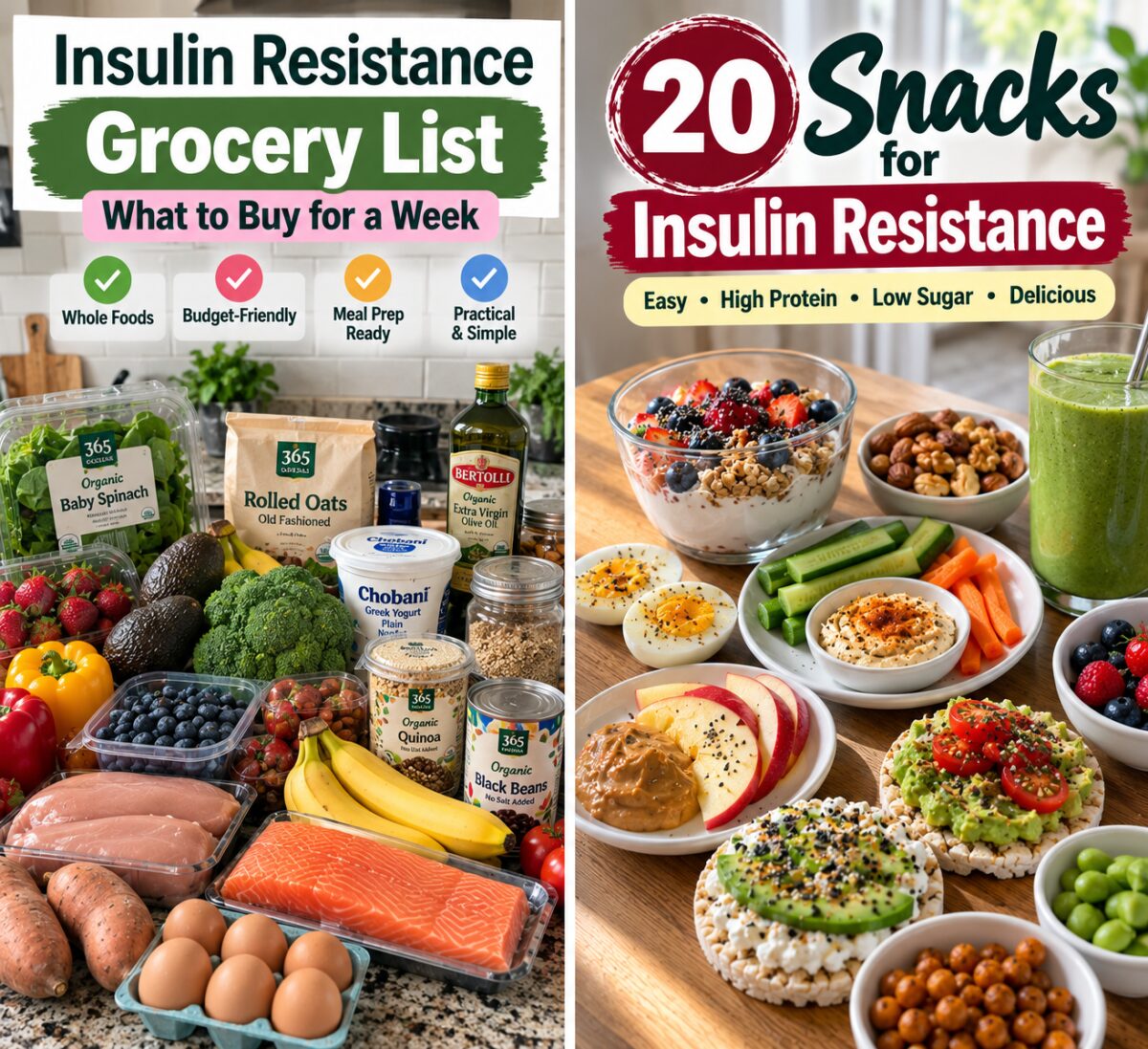
20 Snacks for Insulin Resistance
1. Plain Greek Yogurt with Berries
Top plain Greek yogurt with a small handful of blueberries or strawberries and a sprinkle of chia seeds. Choose unsweetened yogurt to avoid added sugar.
2. Apple Slices with Peanut Butter
Slice an apple and serve with a small portion of peanut butter. Check the label for added sugars and choose a product that suits your preferences.
3. Hummus with Crunchy Vegetables
Pair hummus with cucumber, bell pepper, carrots, or celery sticks. This is an easy snack to portion into containers for work or school.
4. Hard-Boiled Eggs and Cherry Tomatoes
Serve one or two hard-boiled eggs with cherry tomatoes or cucumber slices. Keep eggs refrigerated and follow safe food-handling practices.
5. Cottage Cheese with Cinnamon and Berries
Add cinnamon and a few berries to cottage cheese for a quick snack with protein. Choose lower-sodium cottage cheese if that is a priority for you.
6. A Small Handful of Nuts
Almonds, walnuts, pistachios, or peanuts are portable options. Nuts are energy-dense, so portion a small handful rather than eating directly from a large bag.
7. Avocado on Whole-Grain Crispbread
Spread mashed avocado on whole-grain crispbread and add black pepper or lemon juice. Check the ingredient label for whole grains and fiber.
8. Edamame with a Little Sea Salt
Steam shelled edamame and season lightly. It offers plant protein and fiber; frozen edamame is convenient to keep on hand.
9. Tuna Cucumber Bites
Mix canned tuna with plain yogurt or a little mayonnaise and herbs, then spoon onto cucumber rounds. Refrigerate promptly and use safe handling for seafood.
10. Roasted Chickpeas
Use rinsed canned chickpeas or cooked dried chickpeas, pat dry, toss with a little olive oil and spices, and roast until crisp. Store according to food-safety guidance to maintain quality.
11. Pear Slices with Cheese
Pair a small pear with cheese for a mix of fruit and protein. Choose a portion that fits your appetite and dietary needs.
12. Chia Yogurt Cup
Stir chia seeds into plain yogurt and let the mixture thicken in the refrigerator. Add a few berries or cinnamon for flavor.
13. Turkey and Avocado Roll-Ups
Wrap slices of turkey around avocado strips or cucumber sticks. Compare deli meat labels for sodium, and choose lower-sodium options when possible.
14. Roasted Pumpkin Seeds
Enjoy a small portion of unsalted or lightly salted pumpkin seeds. They are easy to pack and add crunch to a snack break.
15. Mini Caprese Skewers
Thread cherry tomatoes, small mozzarella pieces, and basil onto short skewers. Finish with a little balsamic vinegar if desired.
16. Peanut Butter Oat Bites
Mix rolled oats, natural peanut butter, chia or ground flaxseed, and a small amount of mashed banana to bind. Form into small bites and refrigerate. Avoid adding syrup or sugar if you want to keep added sugars low.
17. Plain Kefir with Strawberries
Pour a small serving of plain, unsweetened kefir and pair it with strawberries. Check labels because flavored kefir can contain added sugar.
18. Whole-Grain Crackers with Hummus
Pair whole-grain crackers with hummus and sliced vegetables. Check the crackers’ ingredient list and serving size.
19. Leftover Chicken Lettuce Cups
Place chopped cooked chicken in crisp lettuce leaves with cucumber, tomato, and a spoonful of plain yogurt or salsa. Refrigerate leftovers promptly and reheat cooked chicken thoroughly if serving warm.
20. Berry Smoothie Snack
Blend a small serving of frozen berries with plain Greek yogurt or unsweetened soy milk and a teaspoon of chia seeds. For more recipes, see our 10 smoothies for insulin resistance.
How to Choose a Balanced Snack
- Combine fruit or whole grains with protein, nuts, seeds, or yogurt when that suits your needs.
- Choose whole fruit more often than juice.
- Look for plain or unsweetened yogurt and drinks to reduce added sugar.
- Plan portions ahead for energy-dense foods such as nuts, seeds, nut butter, and cheese.
- Remember that snacks are optional; some people do well with regular meals and no snacks.
Easy Snacks to Prep for the Week
Wash vegetables, portion nuts, boil eggs, and prepare a few yogurt cups ahead of time. Keep perishable foods refrigerated and use an insulated bag with an ice pack when taking them to work or school. A short prep session can make convenient choices easier during a busy week.
Snacks to Limit or Rethink
You do not need to ban favorite treats. Consider having sugary drinks, candy, pastries, and highly refined snack foods less often if they tend to displace more filling foods in your eating pattern. Whole fruit, yogurt, nuts, and vegetables can offer more fiber or protein, depending on the choice. “Sugar-free” or “low-carb” labels alone do not determine whether a food is the right fit for you.
For a full week of meal ideas, read our 7-day insulin resistance meal plan with grocery list. For dinner inspiration, browse 15 easy dinners for insulin resistance and our high-protein meal ideas for insulin resistance.
Frequently Asked Questions
What is a good quick snack for insulin resistance?
Plain Greek yogurt with berries, hummus with vegetables, or an apple with peanut butter are convenient examples. Individual needs and portions differ.
Can I eat fruit if I have insulin resistance?
Whole fruit can fit into a balanced eating pattern and provides fiber and nutrients. Consider portion size and your personal care plan rather than assuming all fruit should be avoided.
Do I need to eat snacks between meals?
No. Snacks are optional for many people. Meal timing may need individual planning if you use insulin or other medication that can cause low blood sugar.
Will these snacks lower my blood sugar?
No snack can guarantee a particular blood glucose response. Ingredients, portion size, medication, activity, and individual physiology all matter.
Final Thoughts
Keep snack choices simple and flexible. Pick a few options you enjoy, prepare them in convenient portions, and use them when they fit your hunger and schedule. A snack list is a tool for planning—not a rigid set of rules.
This article is for general educational purposes only and is not a substitute for individualized medical advice, diagnosis, or treatment.