
Haematococcus pluvialis is a microscopic freshwater alga used commercially to produce astaxanthin, a reddish carotenoid pigment. Astaxanthin is studied for antioxidant properties, but laboratory findings do not establish that taking a supplement prevents infections or treats disease in people.
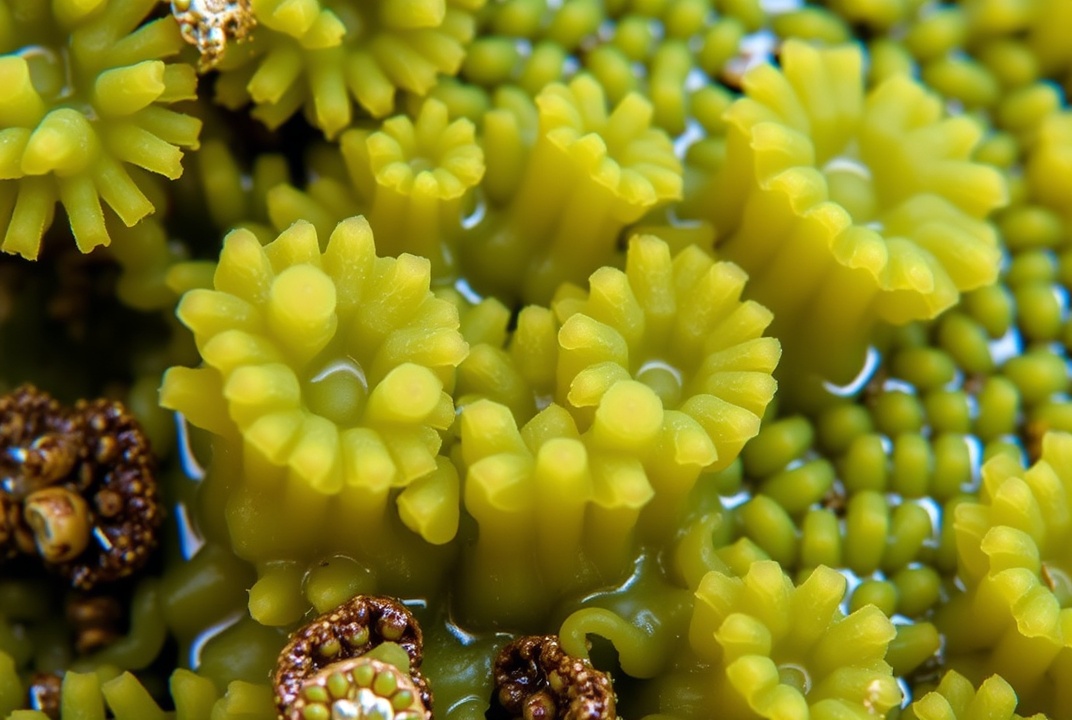
What are Haematococcus and astaxanthin?
Haematococcus pluvialis can produce astaxanthin under certain conditions. Astaxanthin is also found in some seafood, including salmon and shrimp. Supplements may contain concentrated amounts, and products differ in formulation and dose. Read the label to identify the ingredient and amount rather than assuming all products are equivalent.
What does research show?
Astaxanthin has been studied in laboratory research and some small human studies, but evidence is not strong enough to recommend it as a way to prevent infections, boost immunity, or treat inflammatory or chronic diseases. Antioxidant activity in a laboratory does not automatically translate into a meaningful health benefit in people.
Supplement safety and quality
Dietary supplements vary in quality, concentration, and testing. Choose products with clear ingredient information from identifiable manufacturers and look for credible independent testing when available. Ask a clinician or pharmacist before use if you take medicines, have a chronic condition, or are pregnant or breastfeeding. Do not replace vaccination, prescribed medicines, or medical evaluation with a supplement.
Everyday ways to support general health
- Eat a varied diet with vegetables, fruit, whole grains, and suitable protein sources.
- Get regular physical activity and adequate sleep.
- Keep recommended vaccinations and preventive care up to date.
- Seek medical advice for persistent symptoms instead of relying on supplements.
This article is general information and does not establish that astaxanthin is effective or suitable for an individual.