
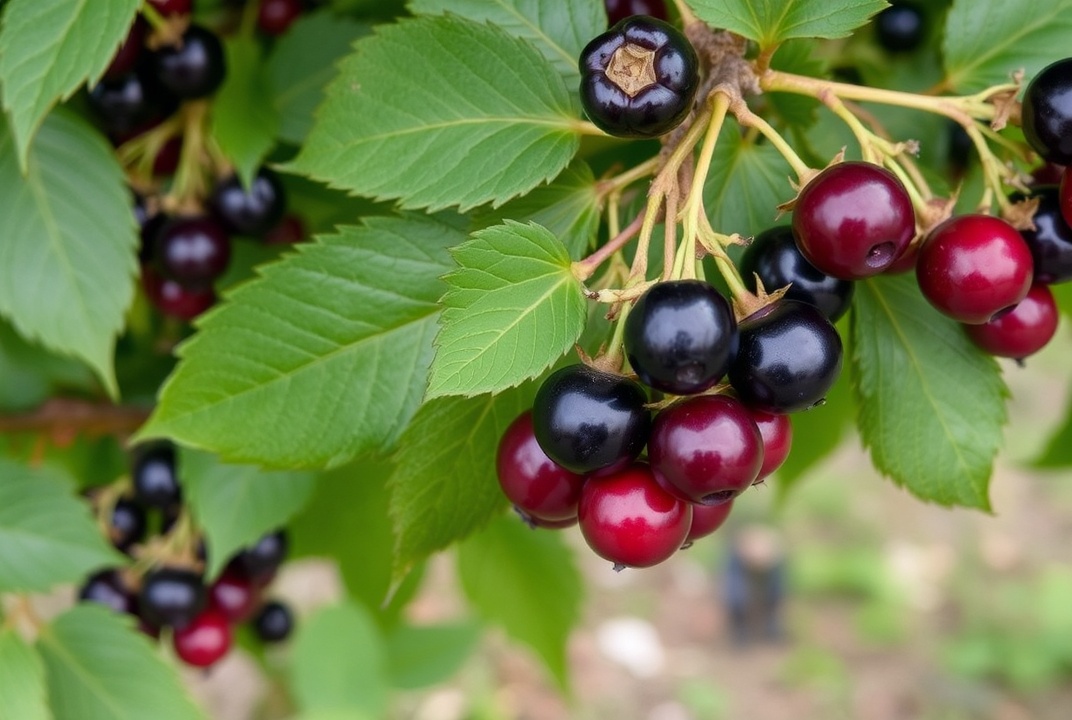
Maqui berries are purple fruits that contain anthocyanins and other polyphenols. These plant compounds are being studied for a range of possible biological effects, but current evidence is not strong enough to recommend maqui berries or maqui supplements as a treatment for high cholesterol.
Understanding LDL and HDL cholesterol
Cholesterol is a waxy substance the body needs. LDL cholesterol is associated with plaque buildup in arteries when levels are elevated, while HDL is involved in transporting cholesterol. A person’s cardiovascular risk depends on several factors, including cholesterol levels, blood pressure, smoking, diabetes, age, and medical history. A clinician can help interpret results and discuss an appropriate plan.
What does research say about maqui berries?
Maqui berries contain anthocyanins, which have been studied in laboratory research and some small human studies. However, studies of concentrated extracts are not the same as evidence that eating the fruit lowers LDL cholesterol or prevents heart disease. The available evidence is limited, and there is no established dose of maqui berry for cholesterol management.
Claims that maqui antioxidants “clear” arteries or remove cholesterol buildup are misleading. No berry or supplement should be presented as a replacement for evidence-based cholesterol care.
How to enjoy maqui berries as food
If available, whole berries or a small amount of powder can be added to yogurt, oatmeal, or smoothies for flavor and variety. Read the ingredient label, compare serving sizes, and be cautious of blends with added sugars or exaggerated medical claims. Supplements may vary in quality and concentration; discuss them with a pharmacist or healthcare professional if you take medication or have a medical condition.
What can help manage high cholesterol?
Depending on your individual risk, evidence-based care may include eating more soluble fiber from foods such as oats, beans, lentils, fruit, and vegetables; choosing unsaturated fats in place of some saturated fats; regular activity; not smoking; and medication when recommended. Do not start, stop, or change cholesterol medication based on supplement claims. Follow the testing and treatment plan you have discussed with your clinician.
Frequently asked questions
Is there a recommended daily dose of maqui berry for cholesterol?
No dose has been established for treating high cholesterol. Follow food-product directions and seek professional advice before using concentrated supplements.
Can maqui berry replace statins or other prescribed treatment?
No. Do not stop or change prescribed medication without speaking to the clinician who manages your care.
Are maqui supplements safe for everyone?
Safety data for concentrated products may be limited, and formulations differ. Ask a healthcare professional before using a supplement if you are pregnant or breastfeeding, take medicines, or have a long-term condition.
For food inspiration, see our overview of maqui berries and heart health, which also discusses the limits of the evidence.
The takeaway
Maqui berries can be one part of a varied diet, but they are not a proven cholesterol-lowering treatment. Focus on cholesterol testing, individualized risk assessment, sustainable eating habits, and prescribed care when needed.