
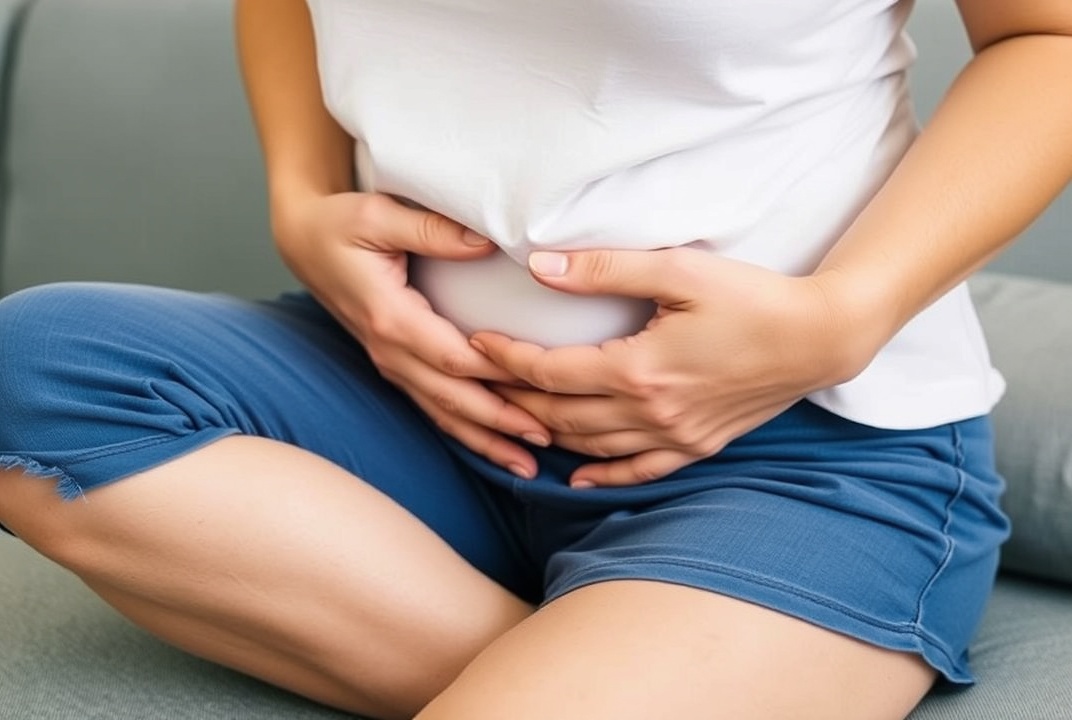
Urinary incontinence means leaking urine when you do not intend to. It can happen with coughing or exercise, a sudden urge to urinate, difficulty emptying the bladder, or a combination of factors. The right approach depends on the type and cause, so “natural remedies” should not replace assessment when symptoms are new, persistent, or worsening.
When to get medical help
Seek urgent care if you cannot pass urine, see blood in your urine, have severe pain, or develop fever or chills with urinary symptoms. Sudden bladder changes alongside new leg weakness, numbness around the groin, or loss of bowel control also require emergency assessment. Make an appointment for recurring leakage, painful urination, repeated infections, or symptoms affecting sleep and everyday activities.
1. Consider guided pelvic floor muscle training
Pelvic floor muscle training can help some people, especially with stress incontinence, but it is not right for every person or every bladder problem. A clinician or pelvic health physiotherapist can check technique and advise how often to practise. Do not regularly stop your urine stream to exercise the muscles, and stop if contractions cause pain or make symptoms worse.
2. Track drinks and symptoms
Keep a brief diary of fluid intake, bathroom visits, urgency, leaks, and nighttime waking. This may reveal patterns and gives a healthcare professional useful information. Avoid extreme fluid restriction: dehydration can be harmful, and concentrated urine may irritate the bladder. If you have been told to limit fluids for a medical reason, follow your clinician’s instructions.
3. Identify individual triggers
Caffeine, alcohol, fizzy drinks, and some acidic foods may aggravate symptoms in some people. Responses differ, so test changes one at a time and keep track rather than following an unnecessarily restrictive diet. If constipation is an issue, ask a healthcare professional about suitable ways to improve bowel regularity, since constipation can worsen some urinary symptoms.
4. Use a practical bathroom routine
For people who experience urgency, a planned bathroom schedule or professionally guided bladder training may be useful. The plan should be tailored to symptoms and health history; do not force yourself to wait if you are in pain or unable to empty your bladder. A clinician can help determine whether this approach is appropriate.
Do herbs, essential oils, or acupuncture work?
There is not enough reliable evidence to recommend saw palmetto or corn silk as treatments for urinary incontinence. Saw palmetto has been studied mainly for some urinary symptoms associated with prostate enlargement, and results are mixed; it should not be assumed to treat leakage. Corn silk and other herbal products can have side effects or interact with medicines.
Essential oils have not been shown to strengthen pelvic floor muscles or treat incontinence. Applying oils to the skin can cause irritation or allergic reactions, and they should never be applied to genital tissue or swallowed unless a qualified clinician specifically advises a safe product and use. Evidence for acupuncture varies by type of urinary symptom, and it should not replace a medical assessment or established treatment.
Ask a healthcare professional or pharmacist before trying supplements or herbal products, especially if you take medicines, have a long-term condition, or are pregnant or breastfeeding.
Why diagnosis matters
Incontinence may be associated with pelvic floor changes, overactive bladder, urinary infection, prostate problems, menopause, pregnancy or childbirth, neurological conditions, constipation, or medication effects. Treatment options may include pelvic floor therapy, bladder training, medicines, devices, or procedures depending on the cause. A clinician can help identify the most suitable option.
For a broader overview, read our guide to bladder control problems and management options.
The takeaway
Pelvic floor training, thoughtful fluid habits, tracking triggers, and an appropriate bathroom routine may help some people. Herbs, aromatherapy, and acupuncture are not proven universal cures. Persistent symptoms deserve medical assessment so the underlying cause can be treated safely.