
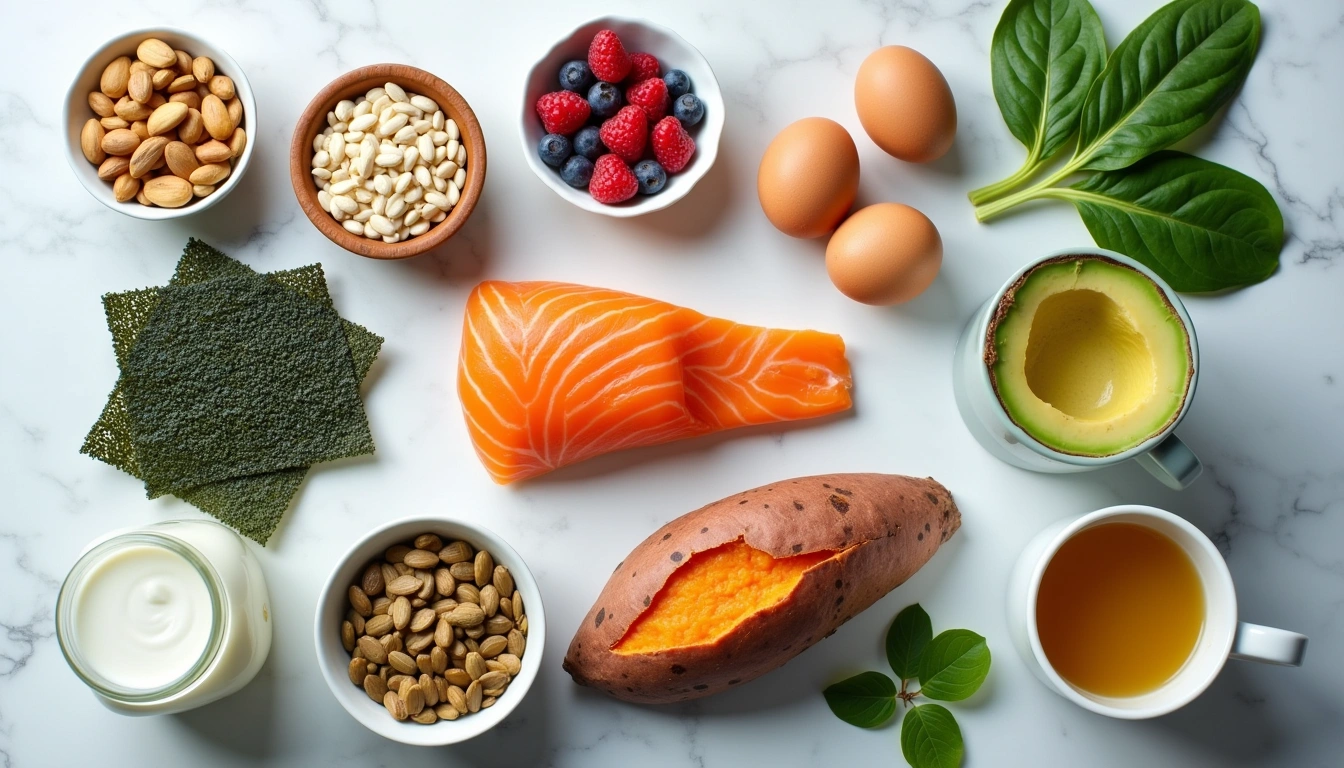
The thyroid uses iodine to make hormones that help regulate several body functions. A varied diet can provide nutrients needed for normal health, but no “superfood” has been shown to cure thyroid disease or reliably boost thyroid hormone levels in everyone.
Brazil nuts and selenium
Brazil nuts can be rich in selenium, a nutrient involved in normal thyroid function. The amount varies considerably between nuts, so a fixed number is not a precise dose. Too much selenium can be harmful. Most people should avoid high-dose selenium supplements unless a qualified clinician recommends them.
Seaweed and iodine
Iodine is essential for thyroid hormone production. Sources include iodized salt, dairy, eggs, and some seafood, depending on the diet. Kelp and other seaweed products may contain highly variable amounts of iodine; excess iodine can trigger or worsen thyroid problems in some people. Do not use kelp as a routine supplement without medical advice.
Fish, eggs, beans, vegetables, and whole grains
Fish can provide protein and omega-3 fats; eggs, beans, dairy or alternatives, seeds, vegetables, and whole grains can add protein and other nutrients. These foods can be part of a balanced eating pattern, but claims that a specific food reduces thyroid inflammation or makes thyroid medication work better should not be assumed without evidence.
Foods you usually do not need to avoid
Most people can eat ordinary servings of broccoli, cabbage, cauliflower, and other cruciferous vegetables. Soy foods also do not need to be universally avoided. If you take levothyroxine, ask your pharmacist or prescriber about timing with food, soy, calcium, iron, and supplements because absorption can be affected.
Be cautious with supplements and health claims
Products advertised to detox, heal, or boost the thyroid may contain excessive iodine or other ingredients that interact with medicines. Check with a clinician before using supplements, especially if you have a thyroid diagnosis, are pregnant, or take prescription medicine. Do not stop or change prescribed treatment based on food advice.
When to seek evaluation
Persistent fatigue, unexplained weight changes, heat or cold intolerance, palpitations, or a neck swelling deserve medical discussion. Symptoms alone cannot diagnose thyroid disease; clinicians may use TSH and free T4 testing depending on the situation. Seek urgent care for chest pain, fainting, or severe shortness of breath.
Bottom line: Nutrient-rich foods support general health, but they are not thyroid treatments. Appropriate evaluation and prescribed care remain important when a thyroid condition is suspected or diagnosed.