
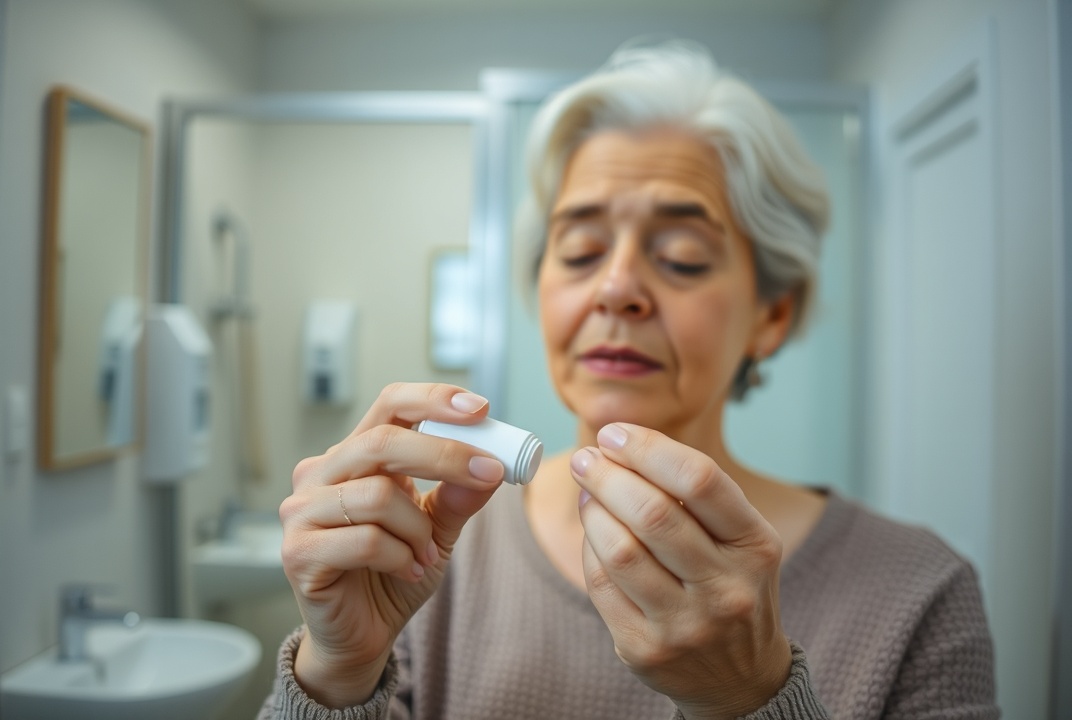
Vitamins and minerals are important for general health, but no vitamin or supplement is established as a reliable treatment for urinary incontinence. Leakage, urgency, or frequent urination can have different causes, and identifying the cause is more useful than starting supplements without a clear reason.
When to seek medical advice
Seek urgent care if you cannot pass urine, notice blood in the urine, have severe pain, or develop fever or chills with urinary symptoms. Sudden bladder changes with new leg weakness, numbness around the groin, or loss of bowel control need emergency assessment. Arrange a medical appointment for persistent leakage, painful urination, repeated infections, or symptoms that affect sleep or daily life.
Vitamin D
Some observational studies have explored links between vitamin D status and pelvic floor or urinary symptoms, but this does not prove that taking vitamin D improves bladder control. Vitamin D is important for bone and muscle health, and a clinician may recommend testing or supplementation when there is a reason to suspect deficiency. Avoid high doses unless a healthcare professional recommends them.
Magnesium
Magnesium is essential for normal muscle and nerve function, but taking magnesium supplements is not an established treatment for overactive bladder or incontinence. Food sources include nuts, seeds, beans, and leafy greens. Supplements can cause diarrhea and may be unsafe for some people with kidney disease or interact with medicines, so ask a clinician or pharmacist before using them for symptoms.
Vitamin B6
Vitamin B6 supports normal nerve function, but evidence does not establish it as a treatment for urgency or urinary leakage. Taking excessive amounts over time can cause nerve damage. Do not take high-dose B6 for bladder symptoms without professional advice.
Vitamin C and vitamin E
Vitamin C and vitamin E have important roles in the body, but supplements have not been shown to reliably prevent or treat urinary incontinence. A varied diet with fruit, vegetables, nuts, seeds, and other nutrient-rich foods is a practical way to obtain these nutrients. High-dose supplements can have risks and should not be used as a substitute for assessment or treatment.
What about saw palmetto, pumpkin seed extract, and cranberry?
Evidence for these products varies by symptom and product, and none should be presented as a proven cure for incontinence. Saw palmetto is commonly marketed for prostate-related urinary symptoms, but study results are mixed. Pumpkin seed products have limited evidence for some urinary symptoms. Cranberry products may help prevent some recurrent urinary tract infections for certain people, but they do not treat incontinence or cure an active infection.
What can help with bladder symptoms?
Depending on the cause, a clinician may discuss pelvic floor muscle training, bladder training, adjusting caffeine or fluid timing, constipation management, medication review, or other treatments. A short bladder diary recording drinks, bathroom visits, urgency, leakage, and nighttime waking can help. Do not severely restrict fluids, and do not stop prescribed medication without advice.
The takeaway
Correcting a nutrient deficiency may be appropriate for general health, but vitamins are not proven stand-alone treatments for urinary incontinence. Ask a healthcare professional to assess persistent symptoms and check with a pharmacist before using supplements, especially if you take medicines or have a chronic condition.