
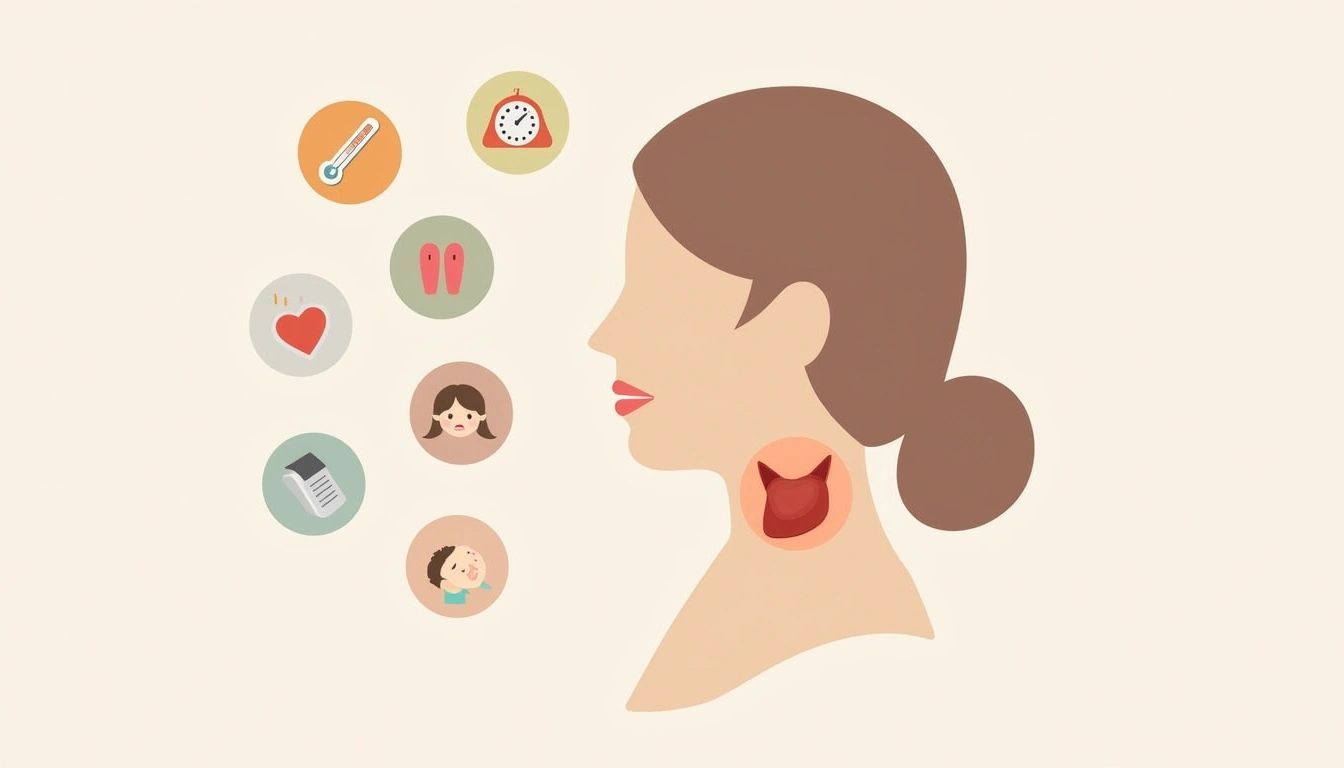
Thyroid hormones help regulate energy use, body temperature, heart rate, and digestion. When hormone levels are too low or too high, symptoms may occur. However, symptoms alone cannot diagnose a thyroid condition, and many have other possible explanations.
Possible symptoms of hypothyroidism
An underactive thyroid may be associated with fatigue, feeling unusually cold, constipation, dry skin, changes in menstrual cycles, or weight changes. These symptoms can also be caused by sleep problems, anemia, medication effects, mood conditions, and other health issues.
Possible symptoms of hyperthyroidism
An overactive thyroid may be associated with a fast or irregular heartbeat, tremor, sweating, heat intolerance, anxiety, more frequent bowel movements, or unintended weight loss. The same symptoms can occur with other conditions or medicines, so assessment is important.
Hair and weight changes
Hair shedding and weight changes are not specific to thyroid disease. Stress, nutritional deficiencies, hormonal changes, illness, genetics, and other factors may contribute. Sudden, severe, persistent, or patchy hair loss and unexplained weight change deserve medical evaluation rather than self-diagnosis.
How clinicians check thyroid function
A healthcare professional may review symptoms, medical history, medicines, and examine the neck. Blood tests commonly include thyroid-stimulating hormone (TSH) and may include free T4 or other tests depending on the situation. Testing is interpreted in context; online symptom lists cannot determine whether you have a thyroid disorder.
When to seek medical help
Make an appointment for persistent symptoms, a neck lump or swelling, or unexplained changes that concern you. Seek urgent care for chest pain, fainting, severe shortness of breath, or a very fast or irregular heartbeat.
What you can do meanwhile
Keep a brief record of symptoms and medicines to discuss at an appointment. Eat a varied diet and avoid starting high-dose iodine or thyroid supplements without medical advice. If you already take thyroid medicine, follow your prescription and do not change the dose yourself.
Takeaway: Thyroid conditions can be assessed and treated, but the right care starts with appropriate evaluation. If symptoms persist, seek a qualified healthcare professional rather than relying on a checklist or supplement plan.