
Food and lifestyle choices can support general well-being when you have a thyroid condition, but they cannot be relied on to heal the thyroid or normalize hormone levels. The right approach depends on the diagnosis, test results, medication, and individual health needs.
Build a varied, balanced eating pattern
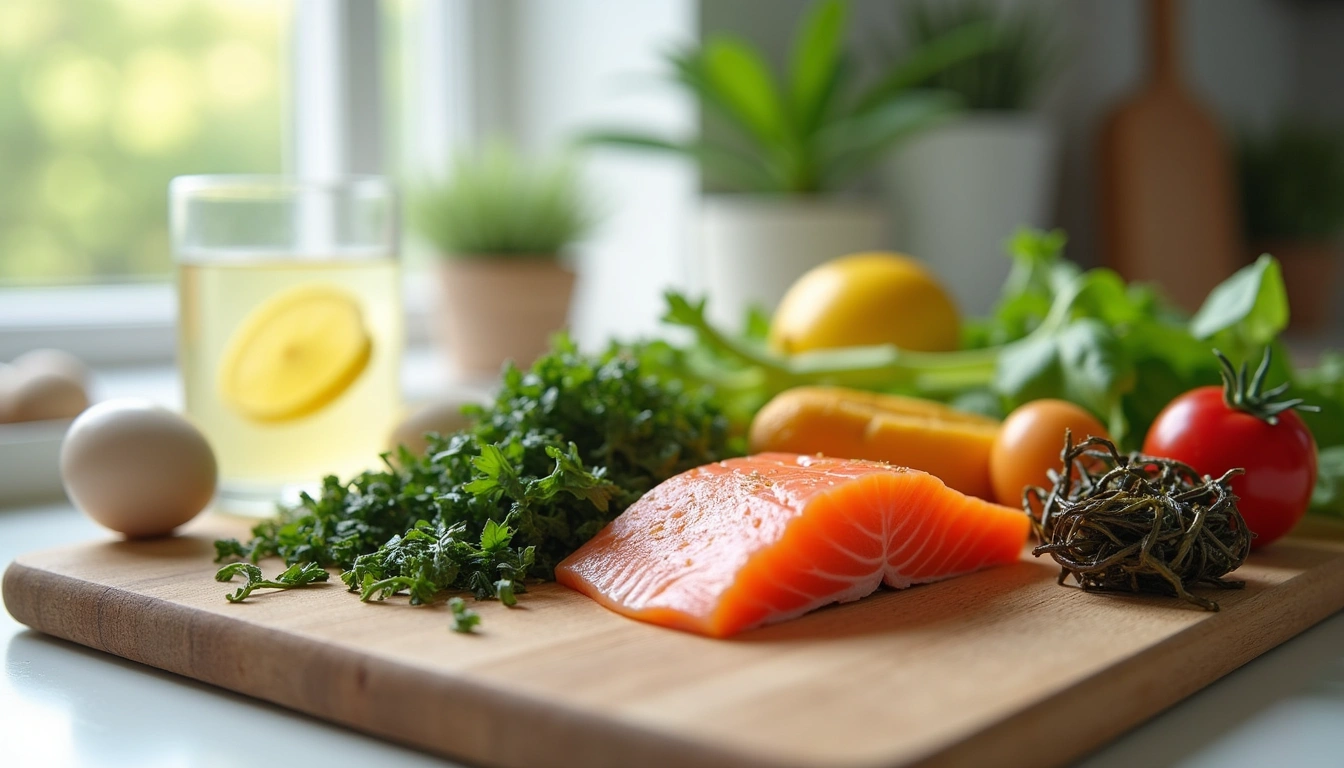
Include a mix of vegetables, fruit, whole grains, pulses or other protein foods, and suitable sources of fats. Eggs, dairy, seafood, beans, seeds, and other foods can contribute nutrients such as iodine, selenium, zinc, iron, and protein. No single food is proven to treat hypothyroidism or hyperthyroidism.
Use iodine and selenium cautiously
Iodine is essential for thyroid hormone production, but too much can be harmful. Use iodized salt in moderation if appropriate for your diet, and do not treat kelp or seaweed supplements as a predictable iodine dose. Selenium is also needed in small amounts; Brazil nut selenium content varies widely, and excessive intake can cause harm. Check with a clinician before using high-dose supplements.
Don’t rely on “detox” or hormone-reset plans
There is no established diet, cleanse, essential oil, or supplement routine that cures thyroid disease. Normal servings of cruciferous vegetables and soy foods are generally suitable for most people. Restrictive diets may make it harder to get adequate nutrition and should not be started solely because of a thyroid diagnosis without individualized advice.
Follow your care plan
If you take thyroid medication, follow the label and your prescriber’s instructions. Calcium, iron, and some foods can affect levothyroxine absorption, so ask a pharmacist or clinician how to time them. Do not stop or adjust medication without medical advice. TSH and other tests may be used to assess thyroid function and monitor treatment.
When to get checked
Persistent fatigue, unexplained weight changes, heat or cold intolerance, palpitations, or a neck swelling warrant medical discussion. These signs can have many causes. Chest pain, fainting, severe shortness of breath, or a very fast or irregular heartbeat need urgent assessment.
Bottom line: Sustainable habits can complement appropriate care, but they are not a substitute for diagnosis, testing, or prescribed treatment.