
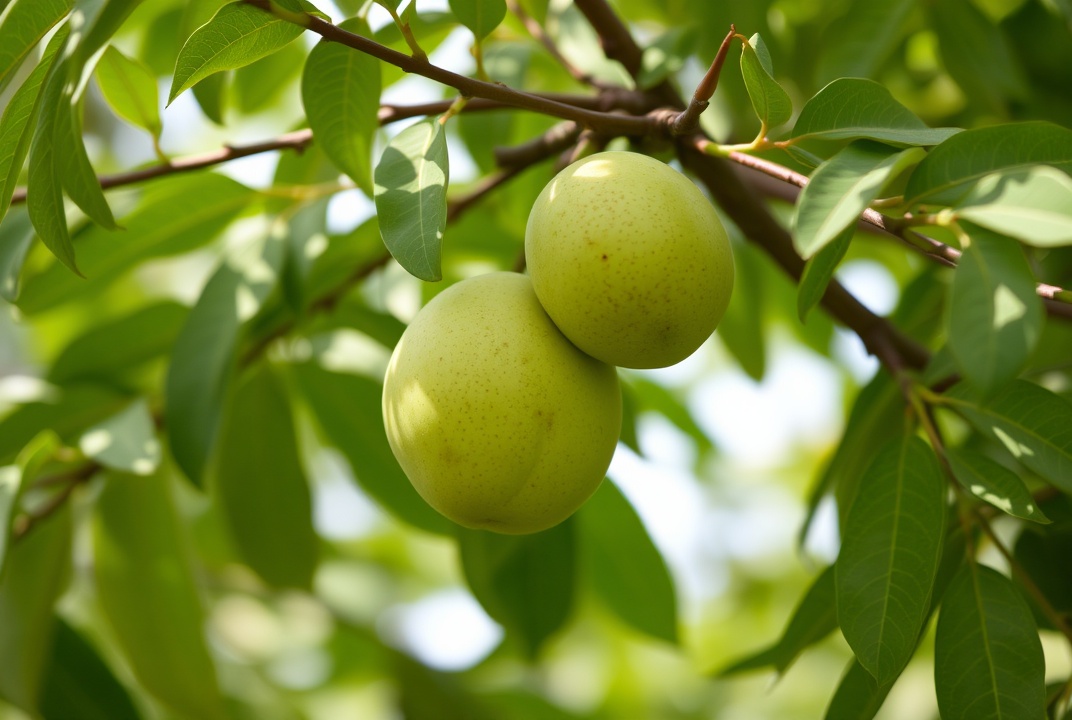
Amla, also called Indian gooseberry, is a tart fruit used in South Asian cooking and traditional practices. It contains vitamin C and other plant compounds. Eating amla can be one way to enjoy fruit, but strong clinical evidence that it improves eyesight, treats eye strain, or prevents cataracts, glaucoma, or age-related macular degeneration is lacking.

What nutrients does amla provide?
Amla contains vitamin C and plant compounds. Vitamin C is needed for normal body functions, including collagen formation, but a nutrient’s role in the body does not prove that a particular fruit prevents an eye disease. The nutrient content of fresh fruit, juice, powders, and supplements can differ.
Can amla improve eyesight or prevent eye disease?
There is not enough reliable human evidence to recommend amla as a treatment for blurry vision, dry eyes, cataracts, glaucoma, or macular degeneration. It should not replace an eye examination, prescribed treatment, or evidence-based prevention advice. New or worsening vision changes should be assessed by an eye-care professional.
Ways to enjoy amla
- Eat fresh amla if you enjoy its tart flavor and it suits your diet.
- Add a small amount of amla to chutney or a meal as a flavor ingredient.
- If choosing juice, check for added sugar and remember that juice usually provides less fiber than whole fruit.
- Do not assume concentrated powders or supplements have the same effects as food. Ask a clinician or pharmacist before using supplements regularly, particularly if you take medicines or have a medical condition.
Practical ways to protect your vision
Eat a varied diet, wear suitable UV-protective sunglasses outdoors, avoid smoking, use protective eyewear when needed, and follow recommended eye examinations. People with diabetes or other conditions that affect the eyes may need regular monitoring. No single food can guarantee that eye disease will be prevented.
When to seek eye care
Seek urgent medical care for sudden vision loss, a sudden shower of floaters or flashes, a curtain-like shadow, severe eye pain, or a red painful eye with vision changes. For persistent blurry vision, eye discomfort, or concerns about your eyesight, arrange an assessment rather than trying to treat it with food or supplements.
This article is for general education and does not replace professional eye care.