
Amla, also known as Indian gooseberry, is a tart fruit used in South Asian cooking and traditional practices. It contains vitamin C and other plant compounds. Research on whether amla treats digestive symptoms in people is limited, so it is best viewed as a food rather than a remedy for constipation, bloating, reflux, or other digestive disorders.
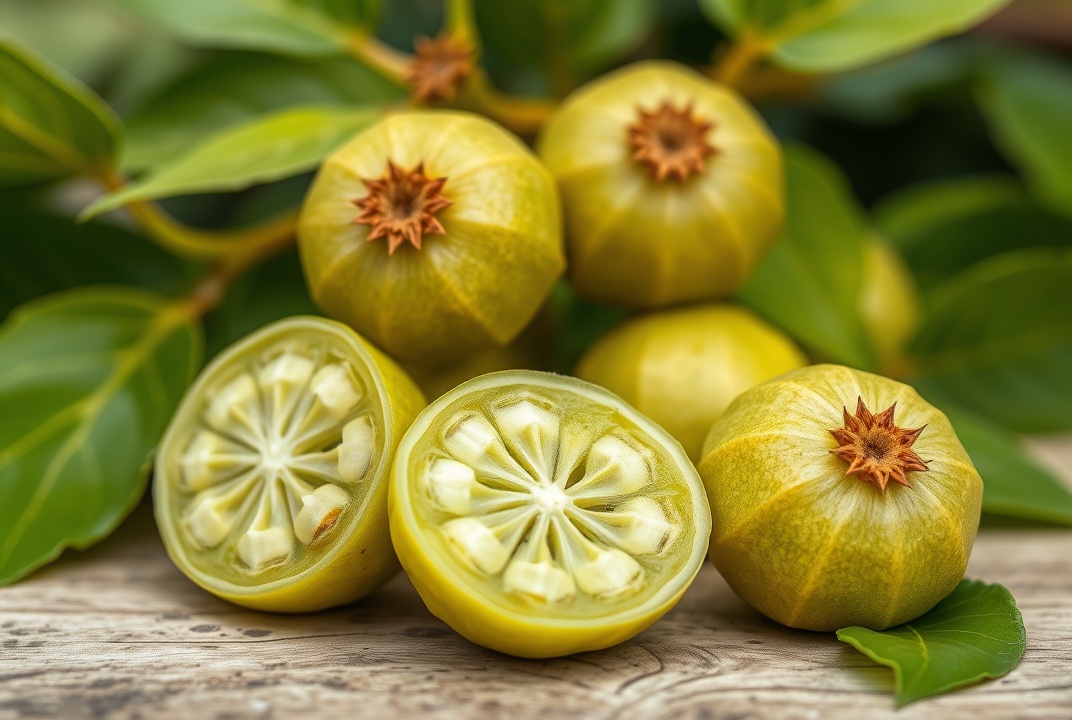
Amla and digestive health: what is known?
Amla contains vitamin C and plant compounds, but these facts alone do not show that it improves gut function or treats inflammation. Fresh fruit may contribute to an overall varied diet. Do not assume amla juice, powder, or extracts will have the same nutritional profile or effects as the whole fruit.
Does amla relieve constipation or bloating?
There is not strong clinical evidence that amla reliably treats constipation, bloating, indigestion, or irritable bowel syndrome. For many adults, constipation care may include gradually increasing fiber, drinking adequate fluids, moving regularly, and reviewing medicines that may contribute. The right approach depends on the cause and your health history.
Ways to include amla in meals
- Use fresh amla in a chutney or relish alongside meals.
- Add a little amla to a dish for tart flavor.
- If drinking amla juice, check whether sugar has been added and remember that strained juice may contain less fiber than whole fruit.
- Use supplements cautiously. Concentrated products may differ from food and can interact with medicines; ask a healthcare professional if you plan to use them regularly.
When to get medical advice
Seek prompt medical advice for persistent or worsening digestive symptoms. Severe abdominal pain, repeated vomiting, blood in stool, black stool, unexplained weight loss, or inability to pass stool or gas with abdominal swelling needs urgent assessment. Do not delay evaluation while trying a fruit, juice, or supplement.
This article is general information, not a diagnosis or treatment plan.