
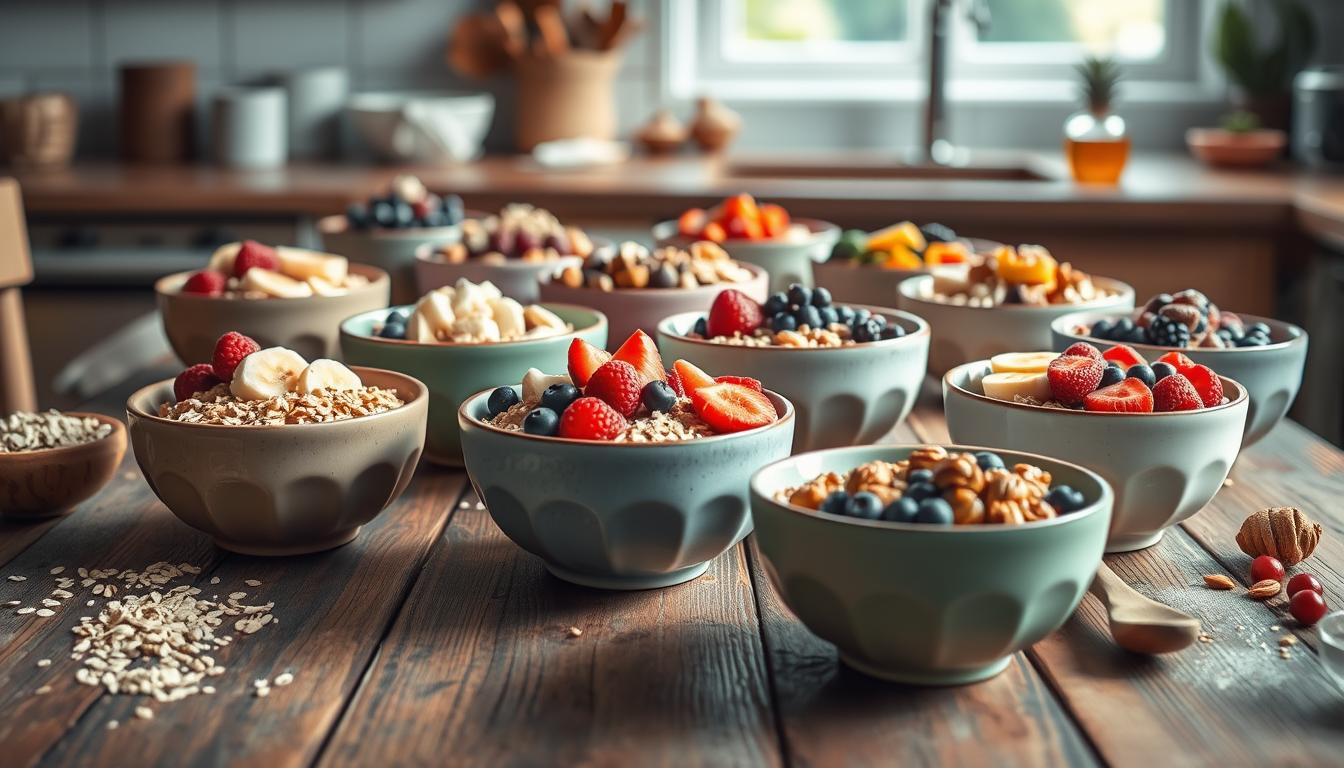
Oats are an affordable whole grain that provides carbohydrates and soluble fiber, including beta-glucan. They can be part of a balanced eating pattern, but an “oat diet” is not a magic weight-loss method. You do not need to eat oats at every meal, and no meal plan can promise a particular amount of weight loss in seven days.
Can oats support weight management?
Oats contain fiber that can help make meals satisfying. Their effect on weight depends on the overall eating pattern, portion sizes, activity, health, and many other factors. Oats do not automatically boost metabolism or guarantee lower blood sugar. People with celiac disease or gluten sensitivity should choose oats labeled gluten-free because cross-contact with gluten-containing grains can occur.
How to use this seven-day meal plan
This sample menu includes oats at breakfast on most days, alongside varied lunches and dinners with protein foods, vegetables, fruit, and other whole grains. Portions should be adjusted to your appetite, energy needs, culture, budget, and any medical advice you have received. Snacks are optional; choose them if you are hungry.
For oatmeal, a common starting portion is about ½ cup of dry rolled oats cooked with water or milk, but individual needs vary. Add fruit, nuts, seeds, yogurt, milk, soy milk, or another protein source as desired. Check product labels for added sugar and choose toppings you enjoy.
Sample seven-day balanced menu
| Day | Breakfast | Lunch | Dinner |
|---|---|---|---|
| Monday | Oatmeal with berries, plain yogurt, and a few nuts | Bean or chicken salad with whole-grain bread | Baked fish or tofu, roasted vegetables, and brown rice |
| Tuesday | Overnight oats with milk or fortified soy milk, banana, and chia seeds | Lentil soup with whole-grain toast and a side salad | Chicken, beans, or tofu with vegetables and a whole grain |
| Wednesday | Savory oats with vegetables and an egg or tofu | Chickpea bowl with vegetables, yogurt sauce, and rice | Vegetable and bean stew with whole-grain bread |
| Thursday | Baked oatmeal with apple and cinnamon, served with yogurt | Tuna, egg, or mashed chickpea sandwich with vegetables | Tofu or lean chicken stir-fry with vegetables and noodles or rice |
| Friday | Oats with pear, peanut butter, and milk or soy milk | Bean chili with vegetables and a small serving of rice | Roasted vegetables with lentils and whole-grain couscous |
| Saturday | Overnight oats with berries and pumpkin seeds | Vegetable omelet or tofu scramble with whole-grain toast | Bean tacos or chicken tacos with vegetables and avocado |
| Sunday | Oat pancakes topped with fruit and plain yogurt | Vegetable soup with beans and whole-grain bread | Roasted chicken, tofu, or beans with potatoes and green vegetables |
Use this as a flexible idea list, not a strict prescription. Swap ingredients to suit your preferences and availability. Vegetarian choices such as lentils, beans, chickpeas, tofu, nuts, seeds, and dairy or fortified alternatives can provide variety and protein.
Simple ways to make oatmeal more satisfying
- Add protein: Try plain yogurt, milk, fortified soy milk, nuts, seeds, or a side of eggs or tofu.
- Add fruit: Fresh or frozen berries, apples, pears, or banana can add flavor and fiber.
- Watch added sweeteners: Honey, syrups, and sugar still contribute added sugars. Use small amounts if you enjoy them.
- Vary your grains: Include rice, whole-wheat bread, barley, or other grains rather than relying on oats alone.
- Make changes gradually: Increase fiber slowly and drink fluids regularly to help your digestive system adjust.
Why an oatmeal-only diet is not recommended
Eating only oatmeal or using a highly restrictive diet can make it difficult to get enough energy, protein, essential fats, vitamins, and minerals. It may also leave you hungry or make the plan hard to maintain. A varied eating pattern is generally more practical than trying to lose weight quickly through a single food.
Weight changes over a week vary and can reflect fluid shifts as well as changes in body tissue. Be cautious of plans that promise rapid losses, “detox” effects, or guaranteed results. Sustainable progress is usually gradual, and the right approach differs from person to person.
Activity, sleep, and realistic goals
Alongside balanced meals, choose regular movement that suits your fitness and health, such as walking, cycling, or strength exercises. Prioritize sleep and build routines you can keep up over time. You do not have to follow a special oat diet to make progress.
If you have diabetes, kidney disease, a history of disordered eating, food allergies, or another condition that affects your nutritional needs, seek individualized advice from a registered dietitian or healthcare professional before making major dietary changes.
The takeaway
Oats can be a nutritious part of meals, but they are not a stand-alone weight-loss treatment. Use this seven-day menu as a flexible starting point, eat a variety of foods, and choose realistic habits rather than expecting to lose a set number of pounds in one week.