
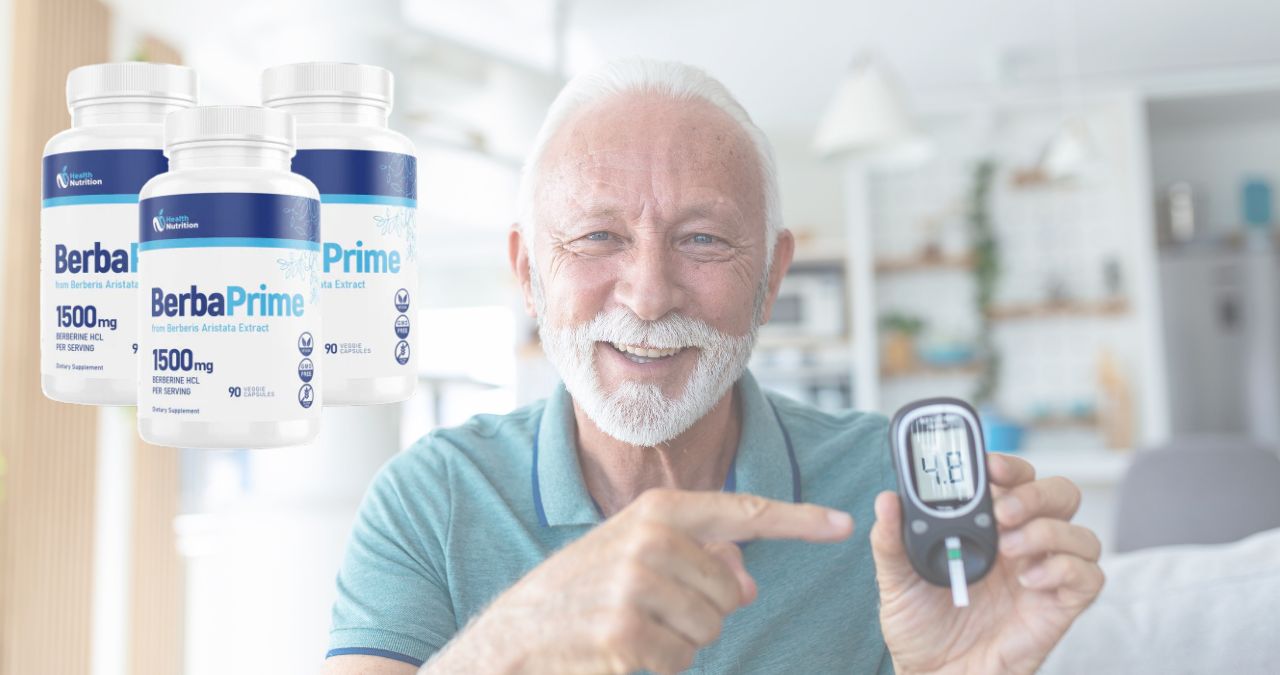
Editorial note: This article discusses the ingredient berberine and publicly stated product details. We have not independently tested BerbaPrime, verified its current label, or confirmed its price, manufacturing claims, customer testimonials, or refund terms. Treat product-specific details as unverified until checked directly with the seller. This is general information, not a recommendation to buy or use the supplement.
What is BerbaPrime?
BerbaPrime is marketed as a berberine-based dietary supplement. Berberine is a plant compound found in several plants, including barberry and goldenseal. Research has examined berberine for effects on blood glucose, blood lipids, and body weight, but findings vary and do not establish that every berberine product has the same effects.
Research on an ingredient is not proof that a specific branded product works. Product formulations, actual ingredient amounts, manufacturing quality, and label accuracy all matter. I have not independently verified BerbaPrime’s current Supplement Facts panel or quality testing, so this article cannot confirm its stated strength, purity, or manufacturing standards.
What does research say about berberine?
The U.S. National Center for Complementary and Integrative Health (NCCIH) notes that some studies suggest berberine may affect blood glucose and other metabolic measures. However, research has limitations, including differences between studies and concerns about study quality. Evidence about weight loss is not conclusive, and more high-quality research is needed.
Read the NCCIH summaries for context: Diabetes and Dietary Supplements and Berberine and Weight Loss.
Berberine should not be treated as a substitute for prescribed diabetes, cholesterol, or other medication. Do not stop, reduce, or delay a prescribed treatment because of a supplement or claims made in a product review.
Safety, side effects, and interactions
Berberine supplements can cause digestive side effects, including nausea, abdominal discomfort, bloating, constipation, or diarrhea. Berberine can also interact with medicines. People taking prescription or over-the-counter medicines should speak with a clinician or pharmacist before considering it.
Berberine should not be used during pregnancy or breastfeeding, and it should not be given to infants because of safety concerns. If you have diabetes or another long-term condition, professional advice is particularly important before using a supplement that may affect blood glucose or interact with treatment.
For additional guidance on supplement oversight, see the U.S. Food and Drug Administration’s Questions and Answers on Dietary Supplements. The FDA does not approve dietary supplements for safety and effectiveness before they are marketed.
What to check before considering BerbaPrime
- Current label: Confirm the complete ingredient list, serving size, amount of berberine per serving, other active ingredients, warnings, and manufacturer or distributor details.
- Independent quality information: Look for credible, current testing information from an independent laboratory. Do not assume that a claim about a facility or manufacturing standard proves the finished product was independently tested.
- Price and refund terms: Confirm the current total cost, shipping, subscription conditions, return window, and any fees on the seller’s website before paying. Older prices and offers may no longer apply.
- Evidence and expectations: Be wary of claims promising dramatic weight loss, guaranteed blood sugar changes, or results equivalent to prescription medicine.
- Financial relationships: If a review contains affiliate links or the publisher receives compensation, that relationship should be clearly disclosed near the recommendation or link.
Can we recommend BerbaPrime?
Based on the information independently verified for this article, there is not enough product-specific evidence to recommend BerbaPrime or to confirm its quality, value, or effectiveness. The most responsible conclusion is to assess the current label and seller information carefully, review the evidence for berberine itself, and discuss possible risks with a qualified healthcare professional.
The takeaway
Berberine is being studied for several health outcomes, but the evidence has limitations and supplement safety matters. A branded product should not be assumed effective simply because its ingredient has been researched. Verify product claims, be cautious about testimonials and guaranteed results, and consult a healthcare professional before using berberine—especially if you take medication or have a medical condition.