
Schisandra (often spelled Schisandra chinensis) is a berry-producing vine used in traditional East Asian practices. It contains plant compounds that have been studied in laboratory and early research. However, strong human evidence that taking schisandra improves skin elasticity, increases collagen, hydrates skin, or reduces wrinkles is lacking. It should not be presented as an established anti-aging treatment.
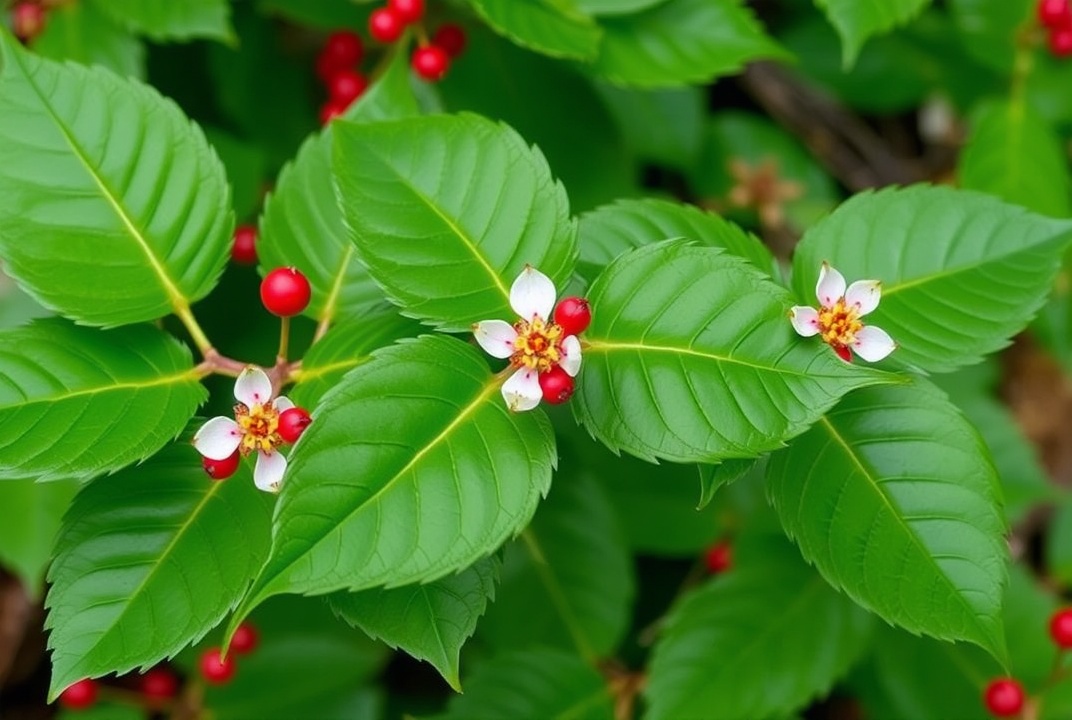
What is schisandra?
Schisandra is a plant whose berries have a history of use in traditional preparations. Traditional use and laboratory findings can help guide research questions, but they do not prove that a supplement produces a specific effect in people. Products can also differ in ingredients, concentration, and quality.
Does schisandra improve skin?
Claims that schisandra stimulates collagen, reverses aging, improves hydration, or protects skin from wrinkles have not been established by strong clinical evidence. Do not rely on it to treat eczema, acne, irritation, or another skin condition, and do not substitute supplements for proven skin care or a clinician’s advice.
How to approach schisandra products
Schisandra is sold in different forms, including teas, powders, extracts, and capsules. There is no established dose for skin benefits. Concentrated supplements can affect how the body processes some medicines, so ask a clinician or pharmacist before using schisandra if you take prescription medicines, have a chronic condition, or are pregnant or breastfeeding. Do not assume a product is safe simply because it is plant-derived.
Evidence-based skin care basics
- Use broad-spectrum sunscreen with SPF 30 or higher and reapply as directed.
- Cleanse gently and use a moisturizer suited to your skin.
- Avoid smoking and protect skin from excessive sun exposure.
- Seek medical advice for a new, changing, bleeding, or non-healing skin lesion, or for a persistent rash.
This article is for general education and does not replace dermatological advice.