
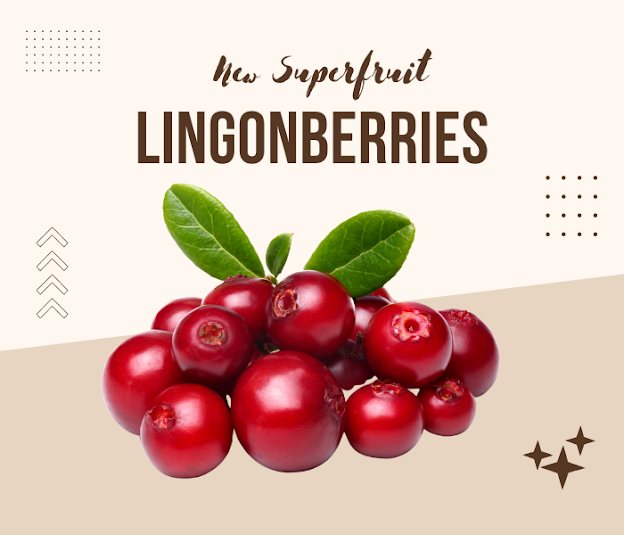
Lingonberries are small, tart red berries popular in Scandinavian cuisine. They are often served as a sauce or jam with savoury dishes, and can also be used in porridge, yoghurt, baking, and smoothies. They contain plant compounds, including polyphenols, but research on possible health effects should not be confused with proof that eating lingonberries prevents or treats disease.
What are lingonberries?
Lingonberries (Vaccinium vitis-idaea) grow in cooler parts of the Northern Hemisphere and are also known as cowberries. Their flavour is sharp and tart, so they are often cooked or combined with other foods. Fresh, frozen, dried, and processed versions can differ in taste and nutritional content, especially when sugar is added.
Nutrition and plant compounds
Like other berries, lingonberries provide a mix of plant compounds and nutrients. Their exact nutritional contribution depends on the serving size and whether they are fresh, frozen, dried, or made into a sweetened preserve. They can be one part of a varied eating pattern, but no single berry supplies every nutrient your body needs.
What does research say about health benefits?
Researchers study lingonberries and their polyphenols for possible biological effects, including effects observed in laboratory or animal studies. These early findings do not establish that eating lingonberries treats urinary tract infections, staph infections, diabetes, obesity, rheumatism, or cancer. Lingonberries are not a replacement for prescribed medicines, medical advice, or appropriate infection treatment.
If you have symptoms of a urinary tract infection—such as burning when urinating, needing to urinate more often, or lower abdominal pain—seek medical advice rather than relying on berries or juice. Prompt assessment is especially important if you have fever, back or side pain, vomiting, or feel very unwell.
Ways to eat lingonberries
- Stir a small amount into plain yoghurt or oatmeal.
- Add frozen berries to a smoothie with milk or an unsweetened plant-based alternative.
- Cook them into a sauce to serve with vegetables, grains, or other meals.
- Use lingonberry jam as a condiment, checking the label for added sugar.
- Mix them with other berries for a tart fruit topping.
A simple lingonberry smoothie idea
Blend a small handful of lingonberries (fresh or frozen) with a cup of milk or an unsweetened plant-based drink and a few ice cubes. Taste before adding a sweetener. If using lingonberry jam instead of whole berries, start with a small amount because jam often contains added sugar.
How to include them in a balanced diet
Choose unsweetened berries when available, vary the fruits and vegetables you eat, and enjoy lingonberries for their flavour rather than as a medical treatment. If you have a condition that requires dietary restrictions or you are considering concentrated berry supplements, ask a qualified healthcare professional whether they are suitable for you.