

Choosing breakfast with insulin resistance does not mean giving up carbohydrates or eating the same meal every morning. A helpful approach is to combine fiber-rich foods with protein and healthy fats, pay attention to portions, and choose less-processed ingredients more often.
The term low glycemic generally refers to foods that tend to raise blood glucose more slowly than higher-glycemic choices. Glycemic response varies with portion size, ripeness, preparation, and what else is in the meal, so no single breakfast works the same way for everyone.
Here are 13 easy breakfast ideas that emphasize fiber, protein, and balanced ingredients. They are suggestions—not a prescribed meal plan—and you can adjust them to your preferences, culture, budget, and medical needs.
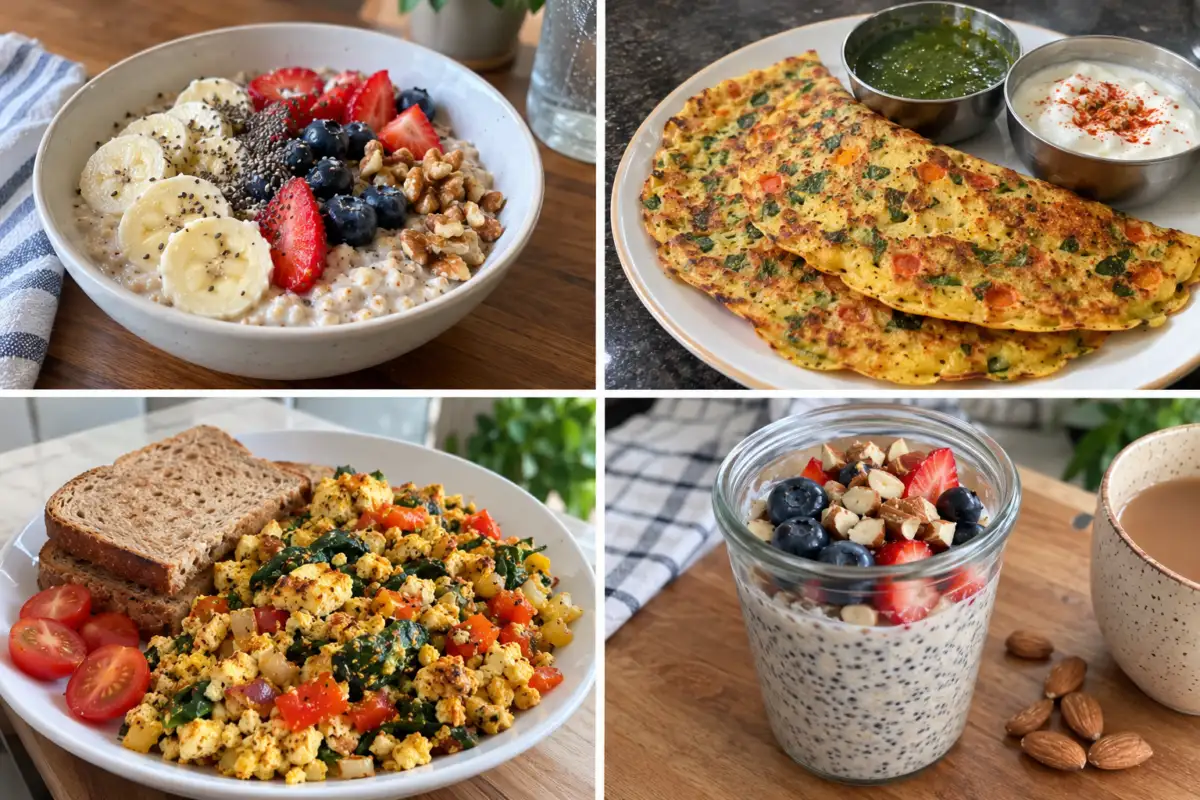
What Makes a Breakfast Low-Glycemic?
Instead of judging a meal by one ingredient alone, look at the whole plate. Oats, beans, fruit, and whole grains contain carbohydrates, but they can still fit into a balanced breakfast. Pairing carbohydrate foods with protein, fiber, and unsaturated fats can make a meal more satisfying and may moderate the overall glucose response.
- Choose fiber-rich ingredients: plain oats, seeds, nuts, beans, vegetables, and whole fruit.
- Add protein: eggs, plain Greek yogurt, cottage cheese, tofu, or unsweetened soy yogurt.
- Limit added sugar: check flavored yogurt, cereals, drinks, and spreads.
- Mind the portion: even nutritious carbohydrate foods can affect blood glucose when portions are large.
13 Easy Low-Glycemic Breakfast Ideas for Insulin Resistance
1. Plain Oatmeal with Chia Seeds and Walnuts
Cook rolled oats with water or unsweetened milk, then add chia seeds, chopped walnuts, and cinnamon. If you like a little sweetness, top with a small portion of berries or chopped apple rather than adding several spoonfuls of sugar.
Why it can work: Oats and chia provide fiber, while walnuts contribute unsaturated fats. Use plain oats instead of instant varieties with added sugar.
2. Greek Yogurt with Berries and Pumpkin Seeds
Put plain, unsweetened Greek yogurt in a bowl and add strawberries, blueberries, or another whole fruit, plus pumpkin seeds. Check the label because protein and added-sugar amounts vary by product.
Easy tip: Choose whole fruit instead of juice, syrup, or sweetened fruit toppings.
3. Vegetable Omelet with Whole-Grain Toast
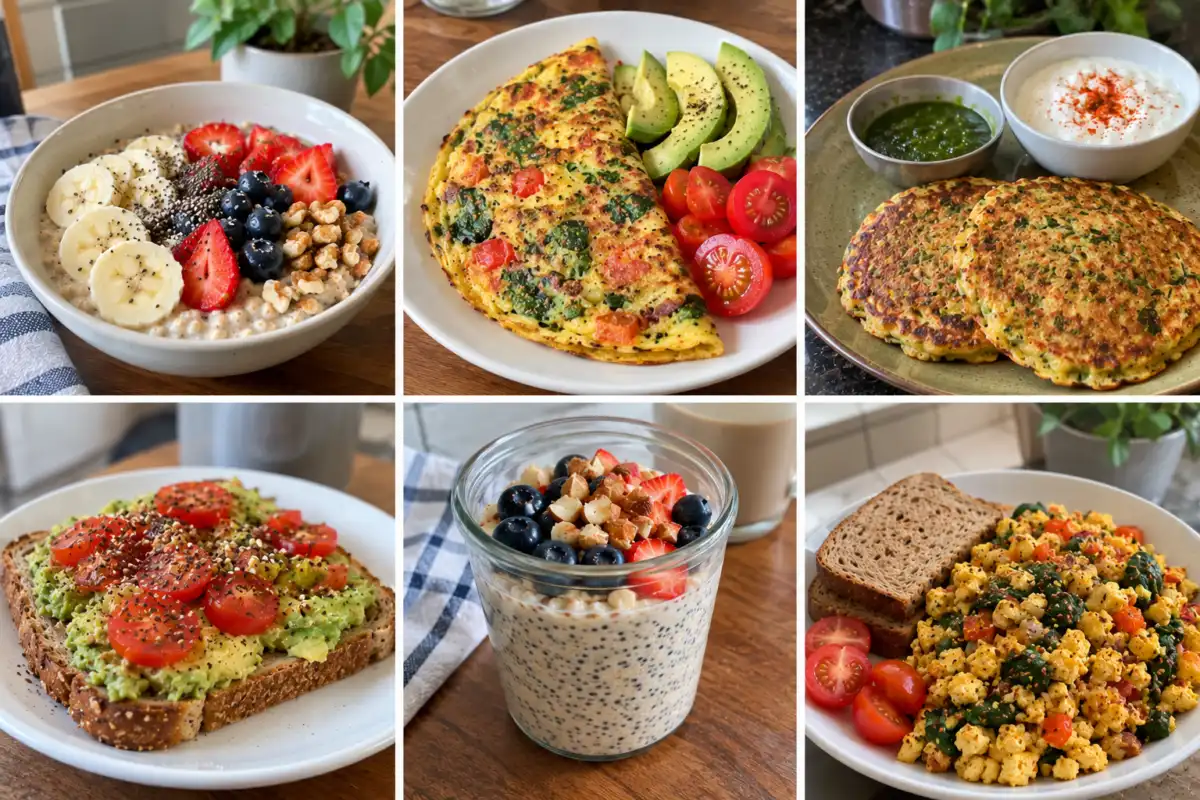
Make an omelet with eggs, spinach, mushrooms, tomatoes, or peppers. Serve it with one slice of whole-grain toast, adjusting the portion to your appetite and nutrition needs.
Easy tip: Use a modest amount of oil and look for bread that lists whole grain as a main ingredient.
4. Cottage Cheese and Berry Bowl
Spoon cottage cheese into a bowl and top with fresh berries, a few chopped walnuts, and cinnamon. Choose plain cottage cheese and check the label for sodium and added ingredients.
Why it can work: Cottage cheese provides protein, while berries and walnuts add fiber and unsaturated fats.
5. Whole-Wheat English Muffin with Egg
Top a toasted whole-wheat English muffin with a cooked egg, spinach, and a slice of tomato. Add a little avocado if you like.
Easy tip: Choose a whole-grain muffin and pair it with fruit or plain yogurt for a more filling breakfast.
6. Tofu Scramble with Vegetables
Crumble firm tofu into a pan with onion, spinach, tomatoes, black pepper, and a little olive oil. Serve on its own or with a slice of whole-grain toast.
Why it can work: Tofu provides plant protein, while vegetables add volume and fiber.
7. Cottage Cheese with Cucumber and Whole-Grain Crackers
Serve cottage cheese with sliced cucumber, cherry tomatoes, black pepper, and a small serving of whole-grain crackers.
Easy tip: Compare labels for sodium and fiber, and choose a portion that fits your appetite and nutrition needs.
8. Overnight Oats with Plain Yogurt
Combine rolled oats, plain yogurt or unsweetened milk, chia seeds, and cinnamon in a jar. Refrigerate overnight, then top with a small portion of berries or chopped pear in the morning.
Easy tip: Avoid turning it into a dessert with lots of honey, syrup, sweetened granola, or dried fruit.
9. Savory Oatmeal with Spinach and Egg
Cook plain rolled oats, then stir in spinach, mushrooms, and black pepper. Top with a cooked egg or serve with tofu for a plant-based option.
Why it can work: This savory bowl combines fiber-rich oats with vegetables and a protein source, without relying on sweetened instant oatmeal.
10. Black Bean and Egg Breakfast Bowl
Combine a modest serving of black beans with scrambled eggs or tofu, sautéed peppers, tomatoes, and salsa. Add a little avocado if desired.
Easy tip: Rinse canned beans to reduce some of the sodium, and adjust portions to your needs.
11. Apple Slices with Peanut Butter and Plain Yogurt
Pair a small apple with a measured spoonful of unsweetened peanut butter and plain yogurt. Choose peanut butter without added sugar where possible and check the serving size.
Why it can work: Whole fruit supplies fiber, while yogurt and peanut butter contribute protein and fat to make the meal more balanced.
12. Whole-Wheat Toast with Egg or Tofu Scramble
Serve whole-wheat toast with scrambled eggs or crumbled tofu cooked with spinach, mushrooms, and tomatoes. Add a side of berries or sliced cucumber.
Easy tip: You do not need to eliminate grains; choose whole-grain options more often and adjust portions to your needs.
13. Chia Yogurt Bowl with Nuts and Pear
Stir chia seeds into plain yogurt and let them soften for a few minutes or overnight. Top with a small portion of chopped pear and a few almonds or walnuts. Add a splash of unsweetened milk if you prefer a thinner texture.
Easy tip: Start with a modest amount of chia and drink enough fluids, since increasing fiber quickly may cause digestive discomfort for some people.
Breakfast Foods to Limit or Rethink
You do not have to ban any one food to manage insulin resistance. It may help to have sugary drinks, heavily sweetened cereals, pastries, and large portions of refined carbohydrates less often, while choosing more fiber-rich and minimally processed options. Read our guide to 15 foods to avoid or limit for insulin resistance for practical swaps.
How to Build a Balanced Breakfast
- Include a protein food such as Greek yogurt, eggs, tofu, cottage cheese, or beans.
- Add fiber from vegetables, whole fruit, oats, beans, seeds, or whole grains.
- Choose unsweetened drinks such as water, plain tea, or coffee with little or no added sugar.
- Notice your own hunger, energy, and blood glucose readings if your healthcare professional has recommended monitoring.
If you want more filling meal ideas, see 15 high-protein meal ideas for insulin resistance. If you are exploring possible signs or risk factors, read 15 signs of insulin resistance you should know. Symptoms alone cannot diagnose insulin resistance.
Frequently Asked Questions
Are oats good for insulin resistance?
Plain oats can fit into a balanced eating pattern because they provide fiber. Choose unsweetened oats, pay attention to portion size, and pair them with protein or healthy fats if that suits your needs. Individual glucose responses can vary.
Is whole-grain cereal a good breakfast for insulin resistance?
Some whole-grain cereals can fit into a balanced breakfast, but nutrition varies by brand. Look for options with more fiber and little added sugar, and pair cereal with plain Greek yogurt, milk, nuts, or seeds to add protein and make the meal more satisfying.
Can I eat fruit at breakfast?
Whole fruit can be part of a balanced breakfast. Pairing fruit with yogurt, nuts, seeds, or another protein source can make the meal more satisfying. Juice is usually less filling than whole fruit.
Do I need to avoid all carbohydrates?
No. Carbohydrates are present in foods that also provide fiber, vitamins, and minerals. The type, portion, preparation, and combination of foods matter. Follow individualized advice if you use glucose-lowering medication or have been given a specific meal plan.
What is the best breakfast for insulin resistance?
There is no single best breakfast for everyone. A practical starting point is a meal that includes protein, fiber-rich foods, and a carbohydrate portion that fits your needs and preferences.
Final Thoughts
Low-glycemic breakfast ideas can be simple and affordable—from oatmeal and Greek yogurt to eggs, cottage cheese, whole-grain toast, beans, tofu, and whole fruit. Focus on balanced combinations and changes you can maintain rather than trying to follow a perfect menu.
Medical disclaimer: This article is for general educational purposes only and does not diagnose or treat insulin resistance. Glycemic responses vary from person to person. Consult a qualified healthcare professional or registered dietitian for personalized guidance, especially if you have diabetes or take medication that can cause low blood sugar.