
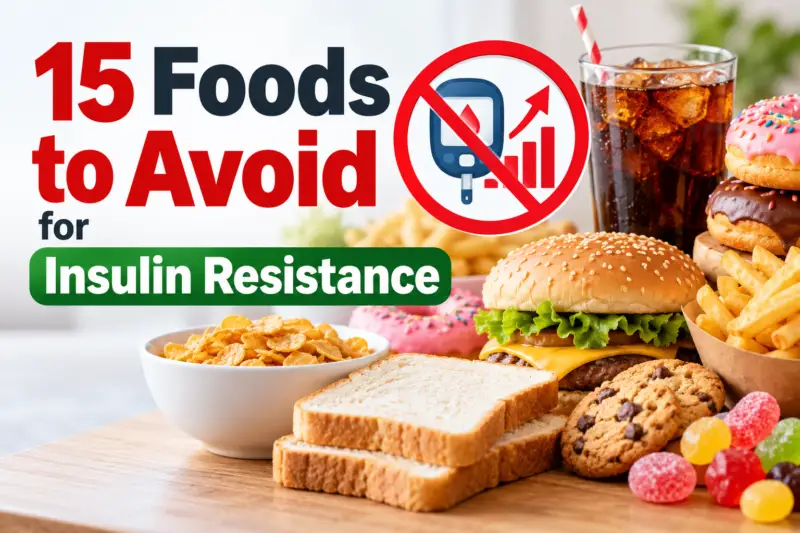
Insulin resistance affects how effectively your body’s cells respond to insulin, the hormone that helps glucose move from your bloodstream into your cells. When insulin does not work as efficiently, the body may need to produce more of it to maintain normal blood sugar levels.
Food choices can play an important role in metabolic health. Some foods and drinks—especially those high in added sugar, refined carbohydrates, or saturated fat—may make blood sugar management and weight management more challenging when eaten frequently or in large portions.
However, you do not need to eliminate all carbohydrates or completely avoid your favorite foods if you have insulin resistance. The goal is to build balanced meals, choose higher-fiber foods more often, and limit foods that provide lots of added sugar or calories with relatively few nutrients.
Here are 15 foods and drinks to limit if you have insulin resistance, along with practical alternatives you can enjoy instead.
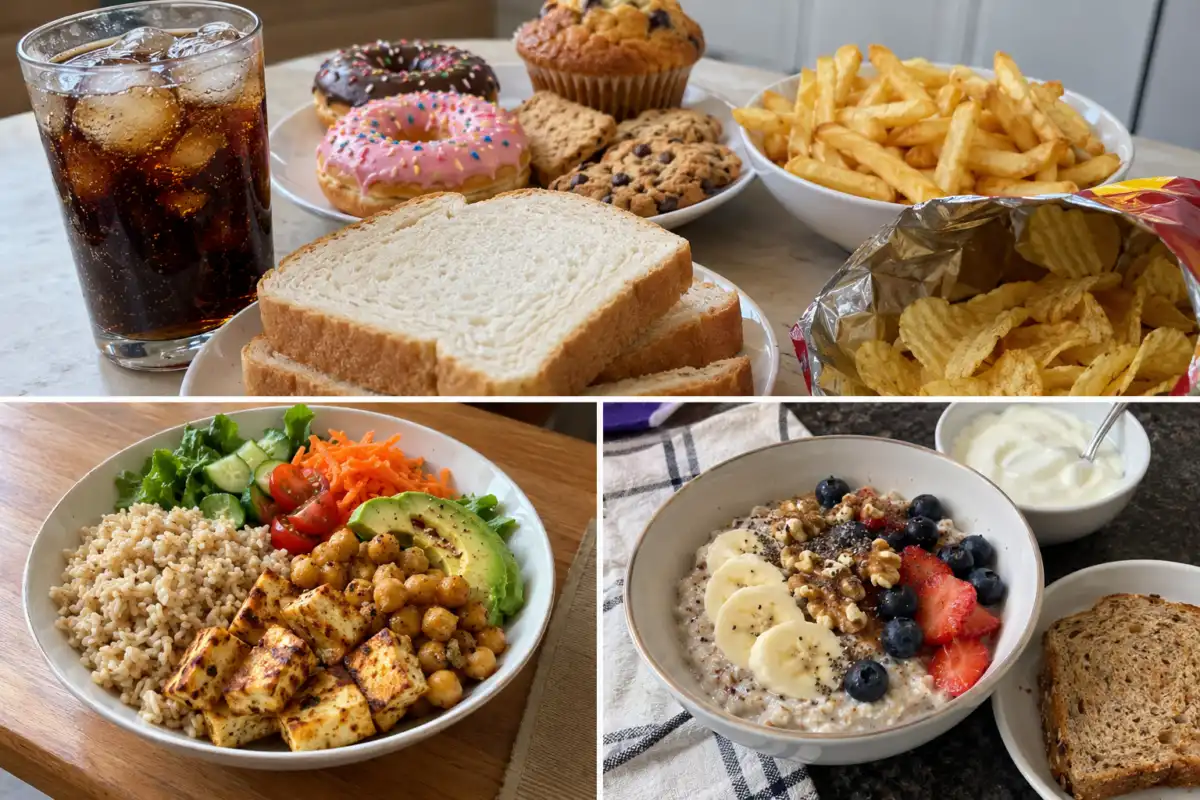
1. Sugary Soft Drinks
Regular soda is one of the first drinks to consider limiting when managing insulin resistance. A can of regular soda can contain a substantial amount of added sugar without providing protein, fiber, or other nutrients that help make a meal satisfying.
Better alternatives: Plain or sparkling water, unsweetened iced tea, water infused with lemon or mint, or unsweetened drinks. If you regularly drink soda, start by replacing one serving a day with water rather than changing everything at once.
2. Fruit Juice and Sweetened Fruit Drinks
Fruit juice may contain vitamins, but it usually provides less fiber than whole fruit. It is also easy to consume the sugar from several pieces of fruit in a single glass. Sweetened fruit drinks and juice cocktails may contain additional added sugar.
Better alternatives: Whole oranges, apples, pears, or berries; water with fresh fruit slices; and unsweetened beverages. Whole fruit is generally more satisfying than juice because it retains its fiber and intact structure.
3. Candy and Sugary Sweets
Candy, gummies, caramels, and other sugary sweets are often high in added sugar and low in fiber. Large portions can add substantial sugar without providing much lasting fullness.
Better alternatives: Fresh fruit, plain yogurt with berries, a small portion of dark chocolate, or fruit with a few nuts. You can still enjoy sweets occasionally; portion size and frequency matter.
4. Cakes, Cookies, and Doughnuts
Many cakes, cookies, doughnuts, and pastries combine refined flour, added sugar, and butter or other fats. They can be calorie-dense, and some varieties contain substantial saturated fat.
Better alternatives: Oatmeal with cinnamon and berries, plain yogurt with fruit and nuts, homemade baked goods with less added sugar, or whole-grain toast with a thin layer of nut butter. Consider a smaller dessert portion rather than making sugary baked goods a regular breakfast.
5. Sugary Breakfast Cereals
Some breakfast cereals are heavily sweetened and made primarily from refined grains. They may contain little fiber or protein, leaving you hungry again soon after eating. Check the nutrition label rather than relying on claims such as “natural” or “multigrain.”
Better alternatives: Plain rolled oats, unsweetened high-fiber cereal, oats topped with nuts and seeds, or plain Greek yogurt with berries and chia seeds.
6. White Bread and Refined-Flour Products
White bread, white rolls, and many refined-flour products contain less fiber than their whole-grain counterparts. They can be digested more quickly, although the blood sugar response depends on the food, portion size, and what you eat alongside it. You do not need to stop eating bread to manage insulin resistance.
Better alternatives: Whole-wheat or whole-grain bread, whole-grain wraps, and bread paired with eggs, beans, tofu, or another protein source. Look for whole grains near the beginning of the ingredient list and compare fiber content.
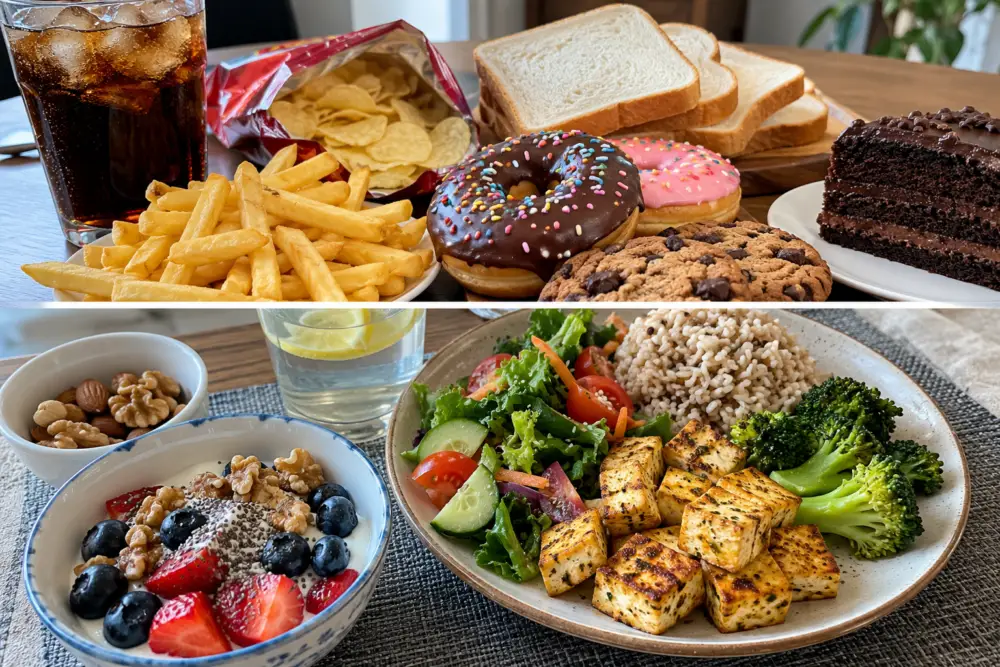
7. Large Portions of White Rice
White rice is a staple in many cuisines and can be part of a balanced diet. However, large servings may provide considerable carbohydrate with relatively little fiber, especially when served without vegetables or protein.
Better strategies: Try brown rice or another whole grain if you enjoy it, serve rice with lentils, beans, tofu, fish, eggs, or lean meat, add non-starchy vegetables, and adjust the portion to your personal needs. A moderate serving of rice paired with beans or lean protein and vegetables provides a different nutritional balance from a large plate of rice eaten on its own.
8. Sugary Coffee and Tea Drinks
Flavored lattes, sweetened iced coffees, milkshakes, and heavily sweetened tea can contribute considerable added sugar. Syrups, sweetened creamers, and toppings may increase the total. The issue is not coffee or tea themselves; it is often what gets added.
Better alternatives: Unsweetened tea or coffee, coffee with plain milk if desired, or homemade drinks with measured sweetener. If you usually add several teaspoons of sugar to tea, try reducing the amount gradually.
9. Sweetened Yogurt and Flavored Dairy Products
Yogurt can provide protein and calcium, but some flavored varieties contain substantial added sugar. Sweetened milk drinks and dessert-style yogurt products can also contribute extra sugar.
Better alternatives: Plain, unsweetened yogurt, plain Greek yogurt with fresh fruit, unsweetened milk, or plain yogurt with cinnamon, nuts, or seeds. Total sugars on a label include naturally occurring lactose in dairy as well as added sugars, so check the ingredient list and added-sugar information.
10. French Fries and Deep-Fried Fast Food
French fries, fried chicken, battered snacks, and other deep-fried foods can be high in calories and fat. Depending on the ingredients and cooking method, they may also contain substantial sodium or refined starch.
Better alternatives: Oven-roasted potatoes, air-fried vegetables or potatoes with a modest amount of oil, grilled chicken or tofu, roasted chickpeas, and homemade snacks prepared with less oil. Potatoes themselves are not forbidden; portion size, preparation, and the rest of the meal matter.
11. Chips, Crackers, and Refined Snack Foods
Some packaged chips, crackers, and savory snack foods are made mostly from refined starches and oils. They can be easy to overeat, particularly when eaten directly from a large packet. Check serving size, fiber, sodium, and saturated fat.
Better alternatives: Roasted chickpeas, a small handful of nuts, plain popcorn with modest seasoning, vegetables with hummus, or whole-grain crackers with cheese or another protein source.
12. Processed Meats
Bacon, sausages, hot dogs, and some deli meats can be high in sodium and saturated fat. Frequent consumption of processed meat is also associated with several long-term health risks. Processed meat is not a direct measure of insulin resistance, but limiting it can support an overall heart-healthy eating pattern.
Better alternatives: Beans and lentils, tofu or tempeh, eggs, fish or unprocessed poultry, and unsalted nuts and seeds. Rotate different protein sources through the week instead of relying on processed meats every day.
13. Fatty and Highly Processed Fast-Food Meals
Some burgers, pizzas, fried sandwiches, and fast-food combination meals contain large portions of refined carbohydrates, saturated fat, sodium, and added sugar from sauces or drinks. You do not need to avoid every restaurant meal; small adjustments can make it more balanced.
Better choices: Choose grilled rather than deep-fried options when available, add a side salad or vegetables, choose water or an unsweetened drink, consider a smaller portion, and ask for sauces or dressings on the side.
14. Sweetened Energy Drinks and Sports Drinks
Many energy drinks and sports drinks contain added sugar. If you drink them regularly without needing extra carbohydrate for prolonged or intense exercise, they may add unnecessary sugar. Energy drinks may also contain substantial caffeine, which can affect sleep or cause other unwanted effects.
Better alternatives: Water for routine hydration, unsweetened tea, or sugar-free drinks if appropriate for you. For most everyday activities, water is usually sufficient.
15. Packaged Desserts and Sweetened Convenience Foods
Packaged puddings, sweet rolls, dessert bars, sweetened breakfast products, and other convenience foods may contain combinations of refined starch, added sugar, and saturated fat. Not every packaged food is unhealthy, and convenience does not automatically mean poor nutrition.
Better alternatives: Fresh fruit with plain yogurt, oats with nuts and cinnamon, homemade snacks with less added sugar, unsweetened applesauce paired with nuts or yogurt, or a small portion of a favorite dessert. Compare serving sizes and added sugar rather than judging a food solely by its packaging.
Foods You Do Not Need to Completely Avoid
Having insulin resistance does not mean you must eliminate all carbohydrates, fruit, or naturally occurring sugars. Overly restrictive diets can be difficult to maintain and may unnecessarily limit nutritious foods.
- Whole fruit: Apples, oranges, berries, pears, and other fruits provide fiber and nutrients.
- Beans and lentils: They contain carbohydrates but also provide fiber and plant protein.
- Oats and whole grains: These can supply fiber and other nutrients.
- Rice and potatoes: Portion size and meal balance matter.
- Milk and plain yogurt: These provide protein and important nutrients.
- Occasional treats: A balanced diet can include foods you enjoy.
Individual needs differ, especially for people taking medication that can cause low blood sugar. Ask your healthcare professional or registered dietitian for advice tailored to your circumstances.
What Should You Eat Instead?
Rather than focusing only on foods to avoid, build meals around a few practical principles.
Include protein with meals
Eggs, fish, poultry, tofu, beans, lentils, and unsweetened dairy products can help make meals more satisfying.
Choose fiber-rich foods more often
Vegetables, beans, lentils, oats, whole grains, nuts, seeds, and whole fruit provide fiber and other nutrients.
Choose unsaturated fats
Nuts, seeds, olive oil, and other sources of unsaturated fats can be part of a heart-healthy eating pattern.
Watch portions without obsessing
Large portions of almost any food can provide more energy than you need. Start with manageable portions and adjust according to your hunger, activity, and professional guidance.
Stay physically active
Regular walking, cycling, strength training, and other activities you enjoy can support insulin sensitivity. Start at a comfortable level and increase gradually.
For more meal inspiration, see our guide to 15 high-protein meal ideas for insulin resistance.
If you are learning to recognize possible symptoms and risk factors, read 15 possible signs of insulin resistance. Symptoms alone cannot confirm the condition, so speak with a healthcare professional about appropriate testing.
Frequently Asked Questions
What is the worst food for insulin resistance?
There is no single worst food for everyone. Regular consumption of sugary drinks is a useful starting point to address because they can add substantial sugar without providing much fullness. Overall eating patterns, portions, activity, sleep, and other health factors also matter.
Should I stop eating rice if I have insulin resistance?
Not necessarily. Rice can fit into a balanced eating pattern. Consider moderate portions and pair rice with vegetables and a protein source such as beans, tofu, eggs, fish, or poultry.
Are bananas bad for insulin resistance?
Bananas are not automatically bad for insulin resistance. Whole bananas provide fiber, potassium, and other nutrients. Portion size and your overall meal pattern matter. Whole fruit is generally a better choice than fruit juice.
Is bread allowed with insulin resistance?
Yes. Whole-grain bread is often a useful option because it typically provides more fiber than white bread. Pairing bread with protein and vegetables can help create a more balanced meal.
Can I eat potatoes if I have insulin resistance?
Yes. Potatoes provide nutrients and can fit into your diet. Baked or boiled potatoes with an appropriate portion size may be easier to incorporate into balanced meals than frequent large portions of deep-fried potatoes.
Does avoiding sugar cure insulin resistance?
No. Reducing added sugar may support better overall nutrition and metabolic health, but it is not a guaranteed cure. Physical activity, sleep, weight management when appropriate, and medical care can also play important roles.
How long does it take to improve insulin resistance?
There is no fixed timeline. Insulin sensitivity can change with lifestyle habits, medical treatment, and individual circumstances. A healthcare professional can help assess your progress and determine whether further testing or treatment is appropriate.
For breakfast ideas that combine fiber-rich foods with protein, see our guide to 13 easy low-glycemic breakfasts for insulin resistance.
For practical morning meal ideas, explore 13 easy low-glycemic breakfasts for insulin resistance, including oatmeal, Greek yogurt, eggs, tofu, and cottage cheese bowls.
Final Thoughts
If you have insulin resistance, you do not need to follow a perfect diet or ban every food you enjoy. Start by limiting sugary drinks, reducing frequent servings of highly refined and heavily processed foods, and building more meals around vegetables, protein, fiber-rich carbohydrates, and healthy fats.
Small, consistent changes are often more practical than extreme restrictions. If you have abnormal blood sugar results or suspect insulin resistance, consult a qualified healthcare professional for testing and personalized advice.
Medical disclaimer: This article is for general educational purposes only and does not diagnose or treat insulin resistance. Consult a qualified healthcare professional for individualized medical advice.